
מאמרים
אני כותרת. לחץ כאן כדי לערוך אותי.

חדשנות בחומרים: משי עכבישים, אופנה והמסע ממדע לתעשייה
קולקציית אביב 2026 של בלנסיאגה (Balenciaga) זכתה לאחרונה לסיקור יוצא דופן מחוץ לעולמות האופנה, במגזינים מדעיים וכלכליים. הקולקציה עצמה אמנם הושקה לפני מספר חודשים, אבל הדיון החדש לא עוסק בקולקציה אלא בחומר ייחודי המשולב במספר פריטים בתוכה: קורי עכביש (Spider Silk). הזמן שעבר בין השקת הקולקציה לסיקור המדעי מרמז על האופן שבו חדשנות בחומרים נעה בין המעבדה, התעשייה והשוק. החומר עליו מדובר בסיקור הוא למעשה חלבון שפותח בהשראת קורי העכביש ומיוצר בתהליך ביוטכנולוגי על ידי חברת AMSilk. אצל בלנסיאגה הוא משמש במספר פריטים העשויים סאטן משי. בכותרות החדשותיות הוא מתואר כ”משי עכביש”, אבל הניסוח באתר הרשמי מדויק וזהיר יותר: סיב חלבוני (Protein Fiber) מהונדס ביולוגית שמיוצר בתהליך ייחודי של תסיסה ומגיע ממקורות מתחדשים. הפער הזה בין הכותרת לבין התיאור בפועל הוא לא רק עניין של ניסוח, אלא חלק מהאופן שבו חומרים חדשים נכנסים לשיח הרחב. קורי עכביש אינם אחידים. מינים שונים של עכבישים טווים קורים במבנים ובטכניקות מגוונות, המשמשים בעיקר ללכידת טרף ולעיתים גם למגורים. אחת הדוגמאות המוכרות היא הרשת העגולה שטווה עכביש הגלגלן (Orb Spider). קורי עכביש כחומר: למה משי העכבישים מעניין כל כך קורי העכביש מציתים את הדמיון האנושי גם מחוץ לעולמות הטבע והמדע. מאגדת דוד והצרעה והעכביש ועד ספיידרמן, כמעט כל מי שנתקל בקורים הדקים הלבנים הללו שמע גם על השילוב הייחודי שהם מציעים בין עדינות לבין חוזק שמייצר חומר שהוא כמעט בלתי נראה, אבל מתואר לעיתים כחזק מפלדה. התכונות האלה הפכו את קורי העכביש לסמל של חומר נשגב או “אידיאלי”, כזה שמצליח להחזיק יחד תכונות שבדרך כלל באות אחת על חשבון השנייה. משי עכבישים (Spider Silk) הוא חומר המבוסס על חלבונים שמחקים את קורי העכביש, ונחשב לאחד החומרים המסקרנים ביותר במחקר ובחדשנות בחומרים, מכיוון שקורי עכביש טבעיים משלבים חוזק מתיחה גבוה עם גמישות, ולעיתים גם יכולת בליעת אנרגיה. השילוב הזה מציע פוטנציאל יישומי גבוה במיוחד במגוון רחב של תעשיות, החל מטקסטיל דרך אדריכלות ועד לרפואה, תעופה וחלל. התכונות הייחודיות של קורי העכביש מניעות מחקרים ביומימיטיים מגוונים ברחבי העולם כבר עשרות שנים. עם זאת, לאורך השנים התברר שלייצר קורי עכביש שישמשו לתועלת האדם זה אתגר לא פשוט. נכון, בגישה מסורתית ניתן, לכאורה, לאסוף קורים מעכבישים החיים בטבע או לגדל עכבישים לטובת הפקת הסיבים וליצור פריטי טקסטיל נדירים בעלי איכויות ייחודיות. אבל בניגוד לתולעי משי, שאותן האדם ביית ומגדל כבר אלפי שנים, עכבישים אינם ניתנים לביות. אלו יצורים קטנים, טריטוריאליים ולעיתים קניבליים, לכן תהליכי איסוף או גידול של סיבים מסוג זה הם קשים וארוכים במיוחד ולא מאפשרים להפיק כמויות המתאימות לייצור מסחרי. שכמייה ממשי עכבישים שיוצרה מאיסוף ידני של קורים ממיליוני עכבישים במדגסקר. פרויקט יוצא דופן שממחיש את הפוטנציאל החומרי לצד חוסר ההיתכנות של ייצור בקנה מידה תעשייתי. הוצגה לראשונה ב-V&A בשנת 2012. קרדיט: Matthew X Bird, מתוך Wikipedia, ברישיון CC BY-SA 4.0. נערך מהמקור. יש כאן גם ממד אתי; תהליך הייצור של המשי המוכר כולל ברוב המקרים המתה של תולעי המשי לשם הפקתם הסיבים. הביקורת על כך גוברת בשנים האחרונות, בין היתר בשל התחזקות התנועות הטבעוניות. לכן פיתוח חלבונים בהשראת קורי עכביש מוצג לעיתים גם כחלופה טבעונית (Vegan) למשי המסורתי, אם כי גם כאן קיימות שאלות פתוחות לגבי המשמעות הסביבתית והאתית של תהליכי הייצור עצמם. כל אלה מובילים לכך שהניסיון לייצר סיב “בהשראת קורי עכביש” מחבר בין חומר בעל תכונות יוצאות דופן לבין מגבלות ביולוגיות, כלכליות ותרבותיות, ומוביל לפתרון מסוג חדש המחשב בין ביולוגיה, טכנולוגיה וסביבה. מחלבון לסיב: איך מייצרים משי עכביש בתהליך ביוטכנולוגי בטבע, קורי עכביש נוצרים בתוך גוף העכביש כנוזל חלבוני, שעובר דרך בלוטת טוויה ומתמצק לסיב במהלך המפגש עם האוויר. במשך התהליך הריכוז, החומציות והמתיחה של החומר משתנים, והם אלו שמאפשרים לחלבונים להסתדר במבנה פנימי שמקנה לסיב את התכונות הייחודיות שלו. כשמנסים לייצר חלבונים דומים באמצעים ביוטכנולוגיים, ניתן להגיע לרצפים חלבוניים שמחקים את אלו שבטבע אך האתגר המשמעותי הוא להפוך אותם לסיב רציף ומתפקד. לאורך השנים ניסיונות שונים ליצירת סיבים ארוכים ובעלי מבנה פנימי יציב, תנאי הכרחי לקבלת תכונות מכניות דומות, נחלו הצלחה חלקית בלבד. בנוסף, חשוב לזכור כי הסיב צריך להפוך לחוט ואז לטקסטיל וגם זה משפיע על תכונות החומר; המעבר מחומר לסיב, ומסיב לחוט ולבסוף ליריעה, כולל כמה שלבים של עיבוד, שכל אחד מהם משפיע על התוצאה הסופית. מכאן שגם אם נקודת המוצא דומה, הדרך שבה החומר נטווה, נארג או מעובד תקבע את ההתנהגות שלו. כדוגמה לעקרון הזה ניתן לחשוב על צמר כבשים: ניתן לעבד אותו לכדי יריעת לבד דחוסה, אריג עבה או טקסטיל עדין, כאשר החומר המקורי עדיין אותו חומר. אריג משי-סאטן: משי הוא סיב חלבוני טבעי שמופק על ידי בעלי חיים, לרוב תולעי משי, בעוד שסאטן הוא סוג של אריגה שיוצרת מראה חלק ומבריק. משי יכול להופיע גם באריגים וגימורים אחרים, וסאטן יכול להיות עשוי מסיבים מחומרים שונים. הבטחה מול מציאות: הדרך הארוכה לייצור מסחרי לאורך השנים מגוון חברות בעולם ניסו לפתח סיבים בהשראת קורי עכבישים, ביניהן Spiber, AMSilk וגם Seevix הישראלית. כל אחת מהן ניגשה לאתגר מזווית שונה. הפרויקטים של Spiber מדגימים כמה נקודות מפנה בהתפתחות התחום, בעיקר בהקשרים יישומים בתחומי האופנה והטקסטיל. השמלה הכחולה שהציגו בתחילת דרכם ב-2013 הייתה רגע משמעותי שייצג הצלחה בהפקת סיבים בשיטות תעשייתיות ויישום טקסטילי ממשי מסוג חדש, אך השמלה לא הצטיינה בתכונות יוצאות דופן וקיבלה חשיפה מוגבלת יחסית. עם זאת, בהמשך הגיע ה-Moon Parka, מעיל שנוצר תוך שיתוף פעולה עם The North Face ונחשב לפריט היסטורי מבחינת התפתחות חומרית-טכנולוגית בעולם האופנה, כאשר תכונות הטקסטיל הותאמו לעמידה בדרישות של לבוש לטיולים ועמידה בתנאי חוץ. הפריט אמנם הוצג כמוצר מסחרי, אך למעשה הוא יוצר בכמויות מצומצמות מאוד ועיקר החשיבות שלו היא כהצגת תכלית מרשימה בהחלט של אפשרויות חדשות בפיתוח, ייצור ויישום של חלבונים ביוסינתטיים. מעניין לציין כי על אף ששמרה על שמה, Spiber התרחקה עם הזמן מהעיסוק המוצהר בפיתוח חלבונים בהשראת קורי עכביש וניתבה את פעילותה לפלטפורמה רחבה יותר של חלבונים תחת השם Brewed Protein. הפלטפורמה הזאת מהווה כיום בסיס למגוון רחב של שיתופי פעולה מקצועיים עם בתי אופנה שונים. זהו מסלול שמאפיין לא מעט חברות הזנק; כמו בסטארטאפים של תוכנה גם חברות שחוקרות ומפתחות חומרים אלטרנטיביים, בהשראת קורי העכביש או אחרים, עוברות במקרים רבים תהליך של שינוי והתאמה במסע שבין החזון הראשוני לפיתוח, הייצור, העלויות והשוק. משי עכבישים באופנה: בלנסיאגה ו-AMSilk כמקרה מבחן בינואר 2026 AMSilk הציגה את שיתוף הפעולה עם בלנסיאגה כשלב מעבר של החומר למוצרים זמינים לרכישה, תאגיד Kering (הבעלים של בלנסיאגה) ציין שאכן מדובר בשני פריטי לבוש מתוך הקולקציה. מנקודת המבט החומרית, החידוש העיקרי בפריטי המשי הללו הוא שלא מדובר באובייקט או דגם שמשמש למטרת הצגת יכולות טכנולוגית בלבד, אלא במוצרים שניתן לרכוש דרך אתר החברה, עם הסתייגות אחת: אמנם בסיקור החדשותי מוזכר משי עכבישים (Spider Silk), אך פירוט חומרי הגלם שמופיע בדפי המוצר עצמם מעלה תמונה קצת שונה. באחד הפריטים, למשל, מצוין שהחומר מורכב מ־65% משי (Silk) ו־35% סיב חלבוני (Protein Fiber). כלומר, לא מדובר בפריט שעשוי כולו מהחומר החדש, אלא בשילוב בין המשי המוכר לבין הסיב החדש שיוצר בתהליך ביוטכנולוגי. זהו דיוק מהותי להבנת החומר והמוצר. יחד עם זאת, המהלך של בלנסיאגה עם AMSilk מצטרף לשרשרת של שיתופי פעולה בינלאומיים בין סטארטאפים שמפתחים חומרים חדשניים וסביבתיים לבין חברות אופנה, שבאופן לא מקרי רבות מהן משתייכות לשוק היוקרה. זהו שוק שמייצר בסדרות קטנות יחסית, המחירים בו גבוהים וקיימת בו נכונות גבוהה להתנסויות ולחדשנות, לכן הוא מהווה קרקע פוריה להטמעה של חומרים חדשים. מנקודת המבט של מפתחות החומרים בשיתופי פעולה מהסוג זה המחברים בין חומרים, טכנולוגיה ועיצוב אופנה, המוצר הוא אתגר שמהווה חלק מתהליך הפיתוח של החומר ומאפשר בדיקה של תהליכי ייצור ושימוש בעולם האמיתי. מנקודת המבט של חברות האופנה האימוץ של חומר חדשני וייחודי הוא גם הצהרה אופנתית ולרוב גם חיבור לערכי המותג ולדרישות סביבתיות וערכיות המגיעות מהשוק והרגולציה. יש לציין שבדומה לחברות שהוזכרו קודם גם AMSilk לא פועלת רק בפיתוח סיבים לטקסטיל. החברה פיתחה לאורך השנים יישומים נוספים לחלבונים שלה, כולל בתחום הקוסמטיקה וציפויים לבדים. הדבר מחזק את ההבנה שהחומרים הביוסינתטיים (Biosynthetic), כלומר חומרים שמיוצרים בתהליכים ביולוגיים מבוקרים, הנכנסים היום לשוק אינם “שייכים” מראש לענף אחד, אלא יכולים לנוע בין תחומים שונים. צילום מסך מתוך עמוד המוצר באתר Balenciaga, המציג את הרכב החומר (65% משי, 35% סיב חלבוני). קרדיט: Balenciaga.com (screenshot) בין השראה מהטבע ליישום: מה קורה לתכונות החומר בדרך למוצר אחת השאלות החומריות שעולות במקרה הזה נוגעת לפער האפשרי שבין התכונות המיוחסות למקור ההשראה לבין אלה הקיימות בחומר שהגיע לייצור בפועל. קורי עכביש ידועים כחומר בעל תכונות מכניות יוצאות דופן, אך בדומה לשמלה הראשונה שהוצגה על ידי Spiber, ניתן לשער כי גם במקרה של הבגדים המוצגים בקולקציה העכשווית של בלנסיאגה, התכונות הללו מתבטאות באופן מוגבל, אם בכלל. אבל פער הוא לא בהכרח אובדן. מובן שכאשר חומר עובר מהשראה מהטבע למעבדה, ומשם לייצור ולמוצר, הוא משתנה. התהליך כולל התאמות, פשרות ולעיתים גם גילויים חדשים. יתרה מכך, במקרים מסוימים דווקא השינויים בדרך מובילים לגילוי של תכונות או שימושים שלא היו חלק מההבטחה הראשונית. במובן הזה, השאלה אינה רק האם החומר “עמד בציפיות”, אלא איך הוא מתפקד בתוך המערכת שבה הוא משמש בפועל. הסיפור של קורי העכביש הוא עוד דוגמה מעולם הביומימיקרי שלא מספרת על העתקה מדויקת של הטבע, אלא על תרגום של רכיבים ויכולות. כמו במקרים מרתקים אחרים, ההשראה שמגיעה מהטבע היא הניצוץ, אבל היא לא בהכרח זו שמכתיבה את התוצאה הסופית. כשמסתכלים על עולם החומרים בראייה מערכתית, ניתן להבין כי המעברים הללו, ממדע, לתעשייה ולעיצוב, הם תהליכים של שינוי, התאמה וחדשנות.נראה שדווקא כאן טמון הערך הרחב יותר של פיתוח חומרים חדשניים וחקירת היישומים שלהם דרך שיתופי פעולה בין-תחומיים. מה שמעניין בחומרים הללו הוא לא רק מה שהם מבטיחים בתחילת הדרך, אלא מה שהם מאפשרים לגלות תוך כדי תנועה. רוצים לגלות עוד על חדשנות בחומרים? מוזמנות ומוזמנים ליצור קשר ולקבל מידע על ההרצאות ועל שירותי הייעוץ והמחקר, וגם להירשם לניוזלטר לקבלת עידכונים תקופתיים על כל הנעשה בתחום.

איך חשיבה עיצובית משנה את הדרך שבה מפתחים חומרים חדשניים
פיתוח ויישום של חומרים חדשניים נתפס לעיתים כחיפוש אחר חומרים חדשים לגמרי או שיפור הביצועים של חומרים קיימים. בפועל, מדובר באתגר רחב יותר, שנמצא בנקודת המפגש שבין תכונות החומר, התנהגות המשתמשים, מערכות הייצור והמציאות של השוק. הוא דורש ידע שהוא לא רק מדעי, אלא משולב עם היכולת להבין כיצד חומרים פועלים בתוך הקשרים מורכבים של העולם האמיתי. בשנים האחרונות, נקודת המבט הזו מעבירה את המיקוד מהפיתוח של חומר בודד לגישה אסטרטגית ומערכתית יותר, שבה חומרים נתפסים כחלק ממסגרות טכנולוגיות, תרבותיות וכלכליות רחבות. הדבר בולט במיוחד בפרויקטים שמחברים בין עיצוב, מדע ותעשייה, ומתבטא גם אצל העוסקים בחדשנות בחומרים בישראל, שמבינים ששיתוף פעולה בין תחומי הוא תנאי מרכזי להתקדמות. שימוש בחשיבה עיצובית בהקשר של חומרים חדשניים חשיבה עיצובית מזוהה לרוב עם עיצוב מוצרים או חוויית משתמש, אבל העקרונות שלה מקבלים משמעות נוספת כשמיישמים אותם על חומרים. היא מציעה דרך לארגן מחדש את שלבי החקירה, לחבר בין תחומים, ולנוע בין רעיונות מופשטים לתוצאות מוחשיות במטרה להגיע לחדשנות עם ערך מוסף. כך למשל, NakedPak, סטארטאפ שהוקם על ידי המעצבת התעשייתית נעמה ניקוטרה, התחיל כפרויקט גמר והתפתח למערכת שבה האריזה היא חלק מהמוצר עצמו. החומר החדש שפותח מתוכנן להתמוסס ולהתבשל יחד עם הארוחה, ובכך מגדיר מחדש את היחסים בין חומר, מוצר ושימוש. הפרויקט הוצג גם באחת ההרצאות שלי על חדשנות בחומרים מהתקופה האחרונה, ולצד הרושם המסקרן עלו גם שאלות על היגיינה וטעם. בדיון שהתפתח עלה כי האפשרות לשטוף את החומר לפני הבישול, לצד עדויות חיוביות ממשתמשים ראשונים, מדגישים כיצד ההחלטות החומריות שהתעצבו בתוך פרקטיקות יומיומיות מייצרות אפשרות חדשה שגם נותנת מענה למשתמשים וגם מצמצמת את ההשפעה הסביבתית של האכילה. אריזה שהיא חלק מהארוחה ומתמוססת במהלך הבישול: NakedPak. הוצג גם באחת ההרצאות האחרונות שלי על חדשנות בחומרים. בפיתוח חומרים חדשניים, חשיבה עיצובית באה לידי ביטוי גם בשיטות עבודה קונקרטיות: שיתוף פעולה בין-תחומי: פיתוח חומרים כמעט אף פעם אינו מתרחש בתוך תחום אחד בלבד. הוא דורש חיבור בין ידע מדעי, הבנה של תהליכי ייצור, ותפיסה עיצובית שמביאה בחשבון שימוש, הקשר וערך. בפרט, כיום מעצבים ומעצבות משתלבים בתהליך לא רק כדי “לעצב” את התוצאה הסופית, אלא כדי להגדיר כיוונים, לשאול שאלות ולתרגם פוטנציאל חומרי ליישומים רלוונטיים. אבי טיפוס מהירים ובדיקות חוזרות: בניגוד למערכות דיגיטליות, העבודה עם חומרים מחייבת איטרציות פיסיות. יישום החומר במבנים וצורות שונות, וההתנסות המעשית מגלים ידע חיוני. לכן גם תהליך הפיתוח איטי יותר, דורש משאבים, וכל החלטה נושאת השלכות שלרוב לא ניתן לבטל באופן מיידי. חשיבה מבוססת תרחישים: חומרים תמיד פועלים בתוך הקשרים של שימוש. בחינה של איפה ואיך החומר יפעל מסייעת לחשוף אתגרים והזדמנויות כבר בשלבים המוקדמים, החל בתהליכי ייצור ועד לאינטראקציה עם המשתמשים, תחזוקה לאורך זמן וסוף השימוש. מיפוי קיימות: בחינת חומר לאורך מחזור החיים שלו חושפת אינטראקציות מערכתיות שלא תמיד נראות בשלבי הפיתוח המסורתיים. החלטות ברמת חומרי הגלם או תהליכי העיבוד נושאות השלכות סביבתיות, תקציביות וחברתיות לטווח הארוך. חברת מדגימה שימוש בגישה כזו. החברה פיתחה חומר המבוסס על פסולת עץ, שמתנהג ומרגיש כמו עץ אך ניתן לייצור בתהליכי יציקה והדפסת תלת ממד, מה שמאפשר גמישות תכנונית ויישומים חדשים. לצד הפיתוח המדעי, מעצבים ומעצבות היו מעורבים בתהליך, לא רק כמשתמשי קצה אלא כחלק מהצוות, והביאו יכולות של פיתוח יישומים, יצירת מודלים ותבניות, והבנה של צרכים שוקיים. כך, הפוטנציאל של החומר לא נשאר ברמה הטכנולוגית בלבד, אלא קיבל ביטוי במוצרים ובשימושים ממשיים. חברת Daika Wood מדגימה כיצד עקרונות אלו מתממשים בפועל. החברה פיתחה חומר המבוסס על פסולת עץ, שמתנהג ומרגיש כמו עץ אך ניתן לייצור בתהליכי יציקה והדפסת תלת־ממד, ובכך מאפשר חופש תכנוני ויישומים חדשים. כבר בשלבי הפיתוח המוקדמים שולבו מעצבים ומעצבות בתהליך, כחלק מהצוות, מתוך הבנה עמוקה כי העבודה המשותפת בין תחומי הידע מאפשרת לחומר להתפתח לא רק כפתרון טכנולוגי, אלא כחלק ממערכת של שימוש, ייצור ושוק. פסולת עץ שהופכת לחומר שמציע אפשרויות יישום חדשניות: Daika Wood אתגרים חומריים הופכים להזדמנויות בעזרת חשיבה עיצובית פיתוח חומרים בגישה של חשיבה עיצובית מתחיל עם גישה פתוחה וחוקרת, שבה המטרה היא להרחיב אפשרויות ולא להגדיר אותן מראש. רק בהמשך המגבלות נכנסות לתמונה, לא כמשהו שמגביל, אלא ככלי שמסייע לנתב מורכבות ולקבל החלטות נכונות בתוך מערכות אמיתיות. מורכבות: עולם החומרים כולל אינספור אפשרויות, אבל הבחירה אינה רק בין חומרים, אלא בין הקשרים של שימוש, ייצור ומשמעות. חומרים נתפסים אחרת על ידי משתמשים שונים, בהתאם להקשר תרבותי, להרגלים ולציפיות. חשיבה עיצובית מאפשרת למפות את המערכת הזו ולהבין מה באמת רלוונטי בכל מצב. התאמה כלכלית: חומר לא נבחר בפני עצמו, אלא כחלק ממוצר, תמחור ותפיסת ערך. האופן שבו חומר נתפס על ידי קהל, כחומר “איכותי”, “זול” או “חדשני”, משפיע ישירות על החלטות פיתוח. חשיבה עיצובית מסייעת לחבר בין תכונות החומר לבין האופן שבו הוא נתפס ומתקבל בשוק. פשרות סביבתיות: כל החלטה חומרית כוללת פשרות בין ביצועים, השפעה סביבתית ודרישות רגולטוריות. אך גם כאן, האופן שבו משתמשים מבינים, מקבלים או דוחים חומר משפיע על הצלחתו בפועל. חשיבה עיצובית מאפשרת לבחון את ההשלכות לאורך מחזור החיים, תוך התייחסות גם להתנהגות, לתרחישי שימוש ולמשמעות תרבותית. הדוגמאות האלה מקבלות ביטוי ברור גם בפיתוחים קיימים. UBQ Materials, למשל, ממירים פסולת ביתית לא-ממוינת לחומר גלם לשימוש תעשייתי, ובכך מתמודדים עם אחת המגבלות המרכזיות של מערכות מיחזור, הצורך במיון. מעבר לפתרון הטכנולוגי שהחברה מציעה, מדובר בגישה שפועלת בתוך מערכת קיימת, מושפעת ממדיניות וממגמות שוק, ונבחנת גם דרך האופן שבו החומר נתפס ומתקבל בשימוש בפועל. מהעבודה שלי עם UBQ Materials בעבר, במסגרת אוצרות של תערוכת חומרים חדשניים, ומהיכרות עם ההתפתחות שלהם לאורך זמן, עולה כי חדשנות בחומרים אינה נקבעת רק על ידי יכולות טכנולוגיות, אלא גם על ידי המערכות שבתוכן החומרים פועלים. המרה של פסולת ביתית לא ממוינת לחומר גלם לשימוש תעשייתי: UBQ Materials חדשנות בחומרים בגישה אסטרטגית כיום חדשנות בחומרים דורשת הרבה יותר ממומחיות טכנית. היא מחייבת יכולת לעבוד בו־זמנית בכמה רמות: להבין את החומר עצמו, אבל גם את ההקשר שבו הוא פועל, המערכות שבתוכן הוא מיוצר, והאופן שבו אנשים פוגשים אותו ומשתמשים בו. לא פחות חשוב, צריך לדעת כיצד לחבר בין כל אלה וליצור שפה משותפת בין בעלי העניין השונים המעורבים בתהליך. דוגמאות שונות מהתעשיה המקומית, החל מיוזמות בתחילת הדרך כמו NakedPak ועד פתרונות בקנה מידה תעשייתי כמו UBQ Materials או Daika Wood, מעלות את אותה התובנה: הערך של חומר לא נקבע רק לפי התכונות שלו, אלא לפי האופן שבו הוא משתלב במציאות, בייצור, בשימוש ובמערכות שמגדירות אותו. מכאן גם נובע השינוי הנדרש נוכח המציאות הנוחית. לא רק לפתח חומרים טובים יותר, אלא לפתח את היכולת לחשוב על חומרים באופן שונה. לראות אותם כחלק ממערכות, לזהות את המגבלות והאפשרויות שמעצבות אותם, ולהשתמש בהן ככלי לקבלת החלטות. זהו שינוי גם של הגישה וגם של אופן העבודה, והוא זה שמאפשר לחומרים חדשניים לא רק להתקיים, אלא באמת להיקלט, להיטמע, וליצור ערך. רוצים לגלות עוד על חדשנות בחומרים? מוזמנות ומוזמנים ליצור קשר ולקבל מידע על ההרצאות ועל שירותי הייעוץ והמחקר, וגם להירשם לניוזלטר לקבלת עידכונים תקופתיים על כל הנעשה בתחום.

אינדיגו, דנים ואותנטיות: ערך של חומר במערכת גלובלית
מאינדיגו טבעי לדנים גלובלי: בחירה חומרית שהפכה לתופעה תרבותית ג’ינס הוא אחד הפריטים המזוהים ביותר עם האופנה והתרבות האמריקאית של המאה העשרים, אך נקודת המוצא שלו הייתה פונקציונלית לחלוטין. בד הדנים, הארוג בטוויל אלכסוני מכותנה, סיפק שילוב מדויק של עמידות וגמישות שהתאים לבגדי עבודה עבור כורים, חקלאים ופועלים. הבחירה לצבוע אותו באינדיגו לא נבעה משיקולים אסתטיים אלא מהיגיון חומרי ברור; האינדיגו נקשר היטב לכותנה, עמד יחסית טוב בשמש ובכביסות, והיה זמין לייצור בכמויות גדולות. אלו היו שיקולים קריטיים בעולם תעשייתי מתפתח, שהובילו לבחירה הרבה לפני שהג’ינס הפך לסמל של חופש, מרד או סגנון אישי. אבל הסיפור של אינדיגו ודנים אינו רק סיפור של בד, צבע או אופנה. הוא מאפשר לבחון כיצד בחירה חומרית, שנעשתה מתוך צורך פונקציונלי, מתפתחת לתופעה תרבותית וכלכלית רחבה. דרך חומר אחד אפשר לקרוא מערכת שלמה; יחסים בין טכנולוגיה לייצור, בין תרבות לכוח שוק, בין זמן לערך. תקריב של אריגת טוויל בדנים, ניתן לראות בבירור את הקו האלכסוני ואת ההבדל בין חוטי השתי הכחולים לערב הבהירים אינדיגו טבעי היה פיגמנט בעל תפוצה עולמית והיסטוריה ארוכה עוד הרבה לפני שהפך לצבע המזוהה עם בד הדנים. הוא שימש לצביעת טקסטיל באסיה, אפריקה והמזרח התיכון במשך אלפי שנים, היה חלק ממסחר בין יבשתי ונשא משמעויות תרבותיות וטקסיות עמוקות. ביפן, למשל, התפתחה מסורת צביעה באינדיגו הנקראת Aizome מאות שנים לפני הופעת הדנים. מסורת זו נשענת על מערכת ידע מורכבת הכוללת חקלאות לגידול הצמח, שליטה בתהליכי תסיסה והבנה כימית שנרכשה דרך ניסיון בין דורי. זהו ידע חומרי שנבנה מתוך זמן וניסיון, לא מתוך מידע תיאורטי בלבד. כאשר בד הדנים הגיע ליפן בסוף המאה התשע עשרה, וביתר שאת לאחר מלחמת העולם השנייה עם התגברות הנוכחות האמריקאית, הוא פגש תרבות שכבר החזיקה בידיעה חומרית עמוקה ושונה. כך, בעוד שבמערב הדנים עבר תיעוש מואץ והפך למוצר צריכה המוני, ביפן התפתחה תרבות דנים מקבילה שהתבססה על נולים קיימים, על תהליכי עבודה איטיים ועל שימור מיומנויות מסורתיות. בדיעבד ניתן לומר כי תרבות הדנים היפנית לא ניסתה לעצור את התיעוש אלא ניסחה לו אלטרנטיבה שבה הערך נמדד בזמן, בדיוק התהליך ובהיכרות אינטימית עם החומר. כיום, בתוך שוק גלובלי רווי חיקויים, דווקא האיטיות והמחויבות לתהליך הפכו לערך ייחודי שמושך קהל שמוכן לשלם. תקריב של יריעת ג'ינס Selvedge יפני. מקור: Bless Denim שחיקה וטכנולוגיה: כשמערכת מדויקת מנסה לייצר חוסר דיוק כדי להבין מדוע ג’ינס מתיישן בצורה כה ייחודית יש להתעכב על התהליך הטכנולוגי. בתהליך הצביעה המכונה Rope Dyeing חוטי השתי נצבעים באינדיגו לפני האריגה. אך בניגוד לצבעים רבים אחרים, האינדיגו אינו חודר לעומק הסיב אלא נאחז בשכבה החיצונית שלו והתוצאה היא חוט כהה מבחוץ ובהיר מבפנים. כאשר החוטים נארגים בטוויל אלכסוני מתקבל בד דו גוני שמגיב באופן ייחודי לחיכוך שמתרחש במהלך השימוש: כל קיפול, תנועה או מגע מסירים שכבה דקה מהצבע וחושפים בהדרגה את הליבה הבהירה. השחיקה אינה סימטרית ואינה ניתנת לחיזוי מראש. היא תוצאה של גוף מסוים לאורך זמן מסוים. אפקט השחיקה הזה מחזיק במשמעויות רבות עבור הלובשים, הרוכשים והמתבוננים, גם אם לא כולנו יודעים להגדיר במדויק מה בדיוק גורם המשיכה. אך בעוד בתחילת דרכו של הג’ינס השחיקה הייתה תוצאה ישירה של עבודה פיזית, עם המעבר לייצור תעשייתי רחב היקף היא הפכה לאתגר. הבגדים החדשים נראו חדשים מדי, אחידים מדי, רחוקים מהדימוי שכבר נקשר לג’ינס כחומר שחי עם המשתמש. משום כך התעשייה החלה לפתח שיטות מגוונות ליצור מראה משומש: בתחילה נעשה שימוש באבני פומיס, בחומרים מחמצנים ובהתזת חול. בהמשך נוספו טכנולוגיות לייזר ואוזון שמאפשרות שליטה טובה יותר בצריכת המים ובחזרתיות הדפוס. חשוב להבין שגם כאשר מדובר בטכנולוגיות מתקדמות, התהליך אינו אוטומטי לחלוטין. אזורי, עוצמות ודפוסי השחיקה נקבעים מראש, כאשר בקווי פרימיום ויוקרה קיימים צוותי פיתוח וגימור שמבצעים שחיקה ידנית או חצי ידנית, לעיתים כמעט אומנותית. במקרים אחרים הם מפתחים דגמי אב שעל בסיסם מיוצרות סדרות רחבות יותר. גם במפעלים גדולים יש עובדים שתפקידם לשבור את הסימטריות ולהוסיף חוסר אחידות מכוון. כלומר, המערכת מייצרת דיוק ואז נדרשת לקלקל אותו במידה הנכונה. השוואה: ג’ינס חדש (משמאל) מול ג’ינס משופשף לאחר שנים של שימוש (ימין) זהו פרדוקס שמלווה את תעשיית הדנים כבר עשרות שנים. לאחר מאמץ מדעי וכלכלי עצום להפוך את האינדיגו לחומר סינתטי אחיד ובר שכפול בקנה מידה מסחרי, מושקעים משאבים רבים כדי להחזיר לתוך המוצר סימנים של זמן, שימוש וחוסר אחידות. המערכת מצטיינת בשליטה וחזרתיות, אך מבינה שהערך של המוצר קשור דווקא לייחוד ולתחושת החיים שנטמעו בחומר. אותנטיות מהונדסת וערך חומרי: יחסים, זמן ואחריות מקצועית המתח שנחשף דרך הדנים מצביע על דפוס רחב יותר. מערכת שמטרתה להגיע ליעילות כלכלית מקסימלית ומשתמשת בייצור סדרתי ובשליטה בקנה מידה גדול, מצטיינת ביצירת מוצרים מדויקים ונגישים. אך אותה ההצלחה מייצרת גם אחידות שמחלישה את תחושת הייחוד והעומק התרבותי והרגשי. כך, במקום לשנות את עקרונות הפעולה, המערכת מנסה לייצר אותנטיות בתוך אותה מסגרת, לא כחיבור מחודש למקור אלא כהנדסה של תחושה שמזכירה אותו. ג'ינס חדש שעבר שחיקה ידנית ועל ידי לייזר: השחיקה חושפת את הגוון הלבן שבתוך הסיב (ימין) ובחוטי הערב (שמאל). מנסה לחקות את השחיקה הטבעית אך מסתיימת בקו חזק, משוכפל ואחיד. כדי להבין את המתח הזה יש לדייק את מושג הערך: ערך של חומר אינו נובע רק מהתכונות הפיזיקליות שלו אלא מהמערכת שבתוכה הוא פועל. אפשר לנסח זאת בפשטות: ערך חומרי = יחסים + זמן. כאשר חותכים את הזמן או מנתקים את היחסים מתוך המערכת החומרית מתקבל מוצר מתפקד, לעיתים גם יוקרתי, אבל חלק מהמשמעות שלו חסר. כאשר מנסים להשיב את המשמעות בלי להשיב את היחסים עצמם מתקבלת סימולציה. הדמייה שאינה אותנטית. פרשת סנדלי Kolhapuri שהושקו לאחרונה על ידי Prada מדגימה היטב את המתח הזה. הדגם השתמש בעיצוב המשויך לסנדלי עור מסורתיים שמיוצרים באזור קולאהפור שבהודו במשך מאות שנים בעבודת יד, בתוך מערכת ידע ותרבות מקומית חיה. כאשר מותג יוקרה משיק גרסה כמעט זהה במחיר של אלפי דולרים, הבעיה אינה רק העתקה צורנית. הצורה נשמרת, אך היחסים שיצרו את הערך, המלאכה המקומית, הקשר התרבותי והמערכת הכלכלית האזורית, נחתכים. הסנדל עובר ממערכת של שימוש והיסטוריה למערכת של מיתוג ומחסור מלאכותי שמייצר ערך כלכלי חדש. שמאל: סנדלי Kolhapuri chappals בחנות בצד הדרך, קולהפור, הודו. צילום: सुबोध कुलकर्णी. במרכז: סנדלי Kolhapuri chappals, קולהפור, הודו, סוף המאה ה-20 Bata Shoe Museum. צילום: Daderot. ימין: קולקציית אביב-קיץ גברים 2026 פראדה. צילום מתוך Instagram/@prada מדובר בבחירה מערכתית, לא בכשל טכני: מעבר לפגיעה בקהילות שמייצרות את הסנדלים ובמערכת הידע המקומית, קיימת גם פגיעה בצרכנים שמוצעת להם אותנטיות מהונדסת במחיר יוקרתי. ובכל זאת, רוב האנשים מזהים את הפער גם אם אינם יודעים לנסח אותו. ההבדל בין חומר שנושא זמן ויחסים לבין חומר שמדמה אותם נקלט באופן אינטואיטיבי. זו אינה רומנטיקה אלא הבנה חושית שנבנית מתוך חיים בעולם חומרי. כאן נכנסת הידיעה החומרית, היכולת לחבר בין כימיה, טכנולוגיה, שימוש בפועל והקשר תרבותי, ולקרוא את המערכת כולה דרך החומר. זו גם הסיבה שאני רואה בעיסוק בחדשנות בחומרים יותר מידע טכני. השאלה היא לא רק איך חומר מיוצר, אלא כיצד ניתן לחשוב עליו בתוך מערכת רחבה של אדם, טכנולוגיה, תרבות וסביבה. בלי הבנה חומרית עמוקה, ההחלטות הנוגעות לשימוש בחומרים יכולות להיות נכונות טכנית אך כושלות בתוך המערכת האנושית והטבעית לאורך זמן. כאשר מבינים חומר כחלק ממערכת יחסים מתמשכת, משתנה גם האופן שבו מתקבלות החלטות עיצוביות, עסקיות ותעשייתיות. ברגע שמפסיקים לראות בחומר דבר מובן מאליו, מתחילה גם אחריות אחרת כלפיו. רוצים לגלות עוד על חדשנות בחומרים? מוזמנות ומוזמנים ליצור קשר ולקבל מידע על ההרצאות ועל שירותי הייעוץ והמחקר, וגם להירשם לניוזלטר לקבלת עידכונים תקופתיים על כל הנעשה בתחום.

חשיבה חומרית מונחית־טבע: חדשנות חומרית וטכנולוגית ביום עיון HIT
הרצאה ומחשבות על חדשנות בחומרים, עיצוב וטכנולוגיה בעקבות יום העיון "Matter of Time: חומר ואנטי-חומר" של התוכנית לתואר שני בעיצוב לסביבה טכנולוגית, מכון טכנולוגי חולון (HIT) עיצוב בסביבות טכנולוגיות והאדם הביולוגי כשמדברים היום על עיצוב בסביבות טכנולוגיות, השיח נע בין אינטראקציות אדם–מכונה, מערכות חכמות ובינה מלאכותית, לבין חוויות יומיומיות מאוד פיזיות ובסיסיות: גוף, תחושה, למידה ותגובה. אמנם קל לעיתים לשכוח שגם בעידן דיגיטלי ומבוסס אלגוריתמים, האדם נשאר יצור ביולוגי; כזה שמגיב לחומר, למגע, למשקל, לחום ולקצב, ומפרש טכנולוגיה דרך החושים והאינטואיציות שלו, אבל כזה הוא, וכך גם כלל האורגניזמים ביניהם האדם חי. בתוך המתח הזה שבין החומרי לדיגיטלי התקיים לא מזמן יום העיון "(a) Matter of Time: חומר ואנטי-חומר" של התוכנית לתואר שני בעיצוב לסביבה טכנולוגית ב-HIT, בארגונה המדויק של ד"ר נעמה הגלעדי, ובתוכו גם ההרצאה שלי על חדשנות חומרית מהטבע שפתחה את מושב החומר. מתוך ההרצאה של אפרת ברק ביום העיון (a) Matter of Time: חומר ואנטי-חומר של התוכנית לתואר שני בעיצוב לסביבה טכנולוגית ב-HIT חדשנות חומרית כגישה מחשבתית מלאה כשאני מדברת על חדשנות חומרית (או חדשנות בחומרים), אני לא מתכוונת בהכרח לחומרים חדשים. בעיניי, חדשנות נמצאת קודם כל בשינוי של אופן החשיבה כדי להוביל לתוצרים אחרים, טובים או שונים, ובעיקר בעלי ערך מוסף. במקרה הזה מדובר בחשיבה על חומרים: בשאלות ששואלים, בנקודת המבט שממנה ניגשים לאתגר, ובאופן שבו חומר, הקשר ותהליך עיצובי נשזרים יחד. לכן גם חומרים שמלווים אותנו מאות ואלפי שנים, או חומרים שמגיעים מתחומים אחרים לגמרי, יכולים להפוך לחדשניים – לא בגלל שהם “הדבר הבא”, אלא בגלל שהשימוש בהם מציע דרך אחרת להתמודד עם בעיה קיימת. החדשנות כאן אינה טכנולוגית בלבד, אלא תפיסתית. מעבר לשינוי של המצב הקיים, יש בעיניי חשיבות לא פחותה להתערבות בשלב שבו חומרים וטכנולוגיות ויישומים חומריים חדשים שנמצאים עדיין בשלבי התהוות. בשלב הזה, לפני שהדברים מתקבעים לפי דרישות השוק, הרגולציה או הרגלי השימוש, עדיין קיים מרחב משמעותי לשאלות ולבחינה של השלכות סביבתיות, חברתיות, תרבותיות ואתיות. זה נכון לגבי תחום החומרים הביולוגיים והביוסינתטיים שצומח בעוז בשנים האחרונות, וגם לגבי שיטות ייצור חדשות וחומרים שהם יותר סטנדרטיים ומסחריים וכן חומרים ננומטריים, מתקדמים וכדומה. מתוך ההרצאה שלי ביום העיון (a) Matter of Time: חומר ואנטי-חומר של התוכנית לתואר שני בעיצוב לסביבה טכנולוגית ב-HIT המקום שבו מתקבלות החלטות: שלבי ההתהוות של חומרים וטכנולוגיות בהרצאתי הסברתי כיצד עוד בשלבי ההתהוות של חומרים וטכנולוגיות חומרית, חשיבה חומרית מונחית־טבע מציעה מסגרת שיטתית וישימה לחדשנות בחומרים; זוהי מסגרת שאינה מתייחסת לחומרים כחומרי גלם ניטרליים, אלא כאל גורמים פעילים בתוך מערכות אקולוגיות, תרבותיות וטכנולוגיות. הדבר נכון במיוחד בתחומים המתפתחים במהירות, אך גם ביחס לשיטות ייצור חדשות, לפיתוח ושימוש בחומרים מסחריים קונבנציונליים יותר וגם לחומרים מתקדמים או טכנולוגיות חומריות, דוגמת הדפסת תלת מימד. מתוך העבודה והמחקר שלי, שנעים בין פרקטיקה לשיח תיאורטי על חומרים, אני פוגשת שוב ושוב את הפער שבין קצב הפיתוח של טכנולוגיות וחומרים לבין הכלים והגישות העומדים לרשותנו כדי לחשוב על ההשלכות הרחבות שלהם. כאשר החלטות הנוגעות לייצור, להטמעה, ליישומים ולשלבי סוף החיים נותרות בידי מי שמפתח ומשווק את הטכנולוגיה בלבד, עלולים להיווצר “כישלונות שקטים”, כאלה שאינם בולטים מיד, אך מצטברים לאורך זמן ומובילים לפגיעה בקנה מידה רחב. לכן הגדלת מרחב קבלת ההחלטות ושילוב נקודות מבט המסוגלות לחשיבה מערכתית והקשרית כבר בשלבים המוקדמים הם קריטיים. תפקיד המעצבים בין חומר, טכנולוגיה ותרבות בהקשר זה, למעצבים יש עמדת השפעה ייחודית היות והם פועלים בתוך מערכות מורכבות: בין אדם, חומר, טכנולוגיה, תעשייה ותרבות. הם אינם מחליפים מהנדסים, חוקרים או רגולטורים, אבל בזכות החשיבה העיצובית הם משמשים כמתווכים, כמתרגמים וכמי שיכולים להחזיק יחד שיקולים הקשורים בפונקציה, חוויה ומשמעות. בדיאלוג שבין החומר (המציאות הפיסית) לאנטי-חומר (המציאות הדיגיטלית) נדרש תיווך רגיש בין מה שאפשרי טכנולוגית לבין האופן שבו דברים נחווים, נתפסים ומוטמעים בפועל, זאת משום שאחרי הכול האדם נשאר יצור ביולוגי, עם אינטואיציות והרגלים שלא מתפתחים בקצב של הטכנולוגיה. זהו המקום בו, בעיניי, החשיבה העיצובית והידיעה החומרית נפגשות. מתוך ההרצאה שלי ביום העיון (a) Matter of Time: חומר ואנטי-חומר של התוכנית לתואר שני בעיצוב לסביבה טכנולוגית ב-HIT חומר, חוויה ואותנטיות בעידן דיגיטלי עוד נושא מעניין שעלה ביום העיון הוא סוג מסוים של מתח הקיים היום בעיסוק באינטראקציות אדם–מכונה ובטכנולוגיות מבוססות בינה מלאכותית וגם בעולם החומרי, הפיסי והרגשי. זהו מתח שעולה מתוך הניסיון לייצר תחושות וחוויות אורגניות באמצעות מערכות שאינן כאלה; מערכות דיגיטליות פועלות על פי היגיון שיטתי, מתמטי ועקבי, בעוד האדם הביולוגי, כמו מערכות טבעיות בכלל, מתפתח גם דרך חוסר עקביות, מוטציות וסטיות. הפער הזה מתחדד במיוחד ברגע שבו טכנולוגיות מחפשות ביטוי פיזי: הממשקים החומריים שנותנים להן גוף נשארים לרוב קשיחים, תקניים ומוכרים, גם כשהטכנולוגיה עצמה נעשית “רגישה” או "חכמה". האתגר, בעיניי, אינו לשכפל את הטבע באמצעים טכנולוגיים, אלא להכיר בגבולות החיקוי ולפתח במקביל חומרים, חוויות וממשקים אלטרנטיביים, כאלה שיהיו אותנטיים עבור החוויה החדשה. מפגשים כמו יום העיון הזה מחדדים עבורי את החשיבות של שיח בין־תחומי אמיתי. שיח שלא מנסה לשכפל את הקיים באמצעים חדשים, אלא בוחן אילו אפשרויות נפתחות כשחומר, טכנולוגיה ואדם פועלים יחד כחלק ממערכת אחת. עבורי, חדשנות בחומרים עוסקת בפתרון בעיות קיימות אך לא רק. כבר בשלבי הפיתוח והעיצוב המוקדמים היא מתווה דרך לקבלת החלטות עתידיות תוך לקיחת אחריות סביבתית, חברתית, תרבותית ואתית. בנקודה הזאת הידע העיצובי יכול לפעול כגשר בין טכנולוגיות מתפתחות לבין חיים אנושיים ממשיים, ביולוגיים, מורכבים. השאלה כיום אינה איך לשכפל את הטבע באמצעים טכנולוגיים, אלא איך לפעול בתוכו באחריות וענווה, גם כשאנחנו מפתחים דברים שמעולם לא היו בו. רשימת הדוברים:
ד"ר נעמה הגלעדי מהדיגיטל אל החומר – נרטיב של הנדסה הפוכה וכן דברי סיכום: המעצב כמתווך – סיכום יום: חומר ואנטי־חומר ד"ר הדס לורבר "Responsibility Matters": אתיקה, ממשל ואחריות אנושית בעידן האוטונומיה והבינה המלאכותית פרופ' אורן צוקרמן Embodiment: אינטראקציה בין אדם, טכנולוגיה, חומר וגוף אפרת ברק חדשנות חומרית מהטבע ד"ר עמית צורן מסע מעבר לגבול הדמיון: על אהבה וריפוי בין אדם, מכונה ועץ מאיה בן דוד Intangible Matter רוצים לגלות עוד על חדשנות בחומרים? מוזמנות ומוזמנים ליצור קשר ולקבל מידע על ההרצאות ועל שירותי הייעוץ והמחקר, וגם להירשם לניוזלטר לקבלת עידכונים תקופתיים על כל הנעשה בתחום.
חומרים מחזירי אור: כדוריות זכוכית
איך חומר אחד זעיר הפך למפתח לשאלות על בטיחות, ספורט, אופנה ואמנות? לפני כמה שנים לקחתי חלק בשיתוף פעולה עם הנספחת הכלכלית של שגרירות יפן בישראל, במטרה לבנות קשרים חדשים בין התעשייה היצרנית של יפן לתעשייה ולקוחות פוטנציאליים בישראל בתחום החומרים. החלק שלי בפרויקט היה איתור חברות רלוונטיות מיפן וניהול הקשרים עימן, זאת הייתה הרפתקה מקצועית מרתקת ומחכימה. עם היציאה לפרויקט חיפשתי חברות שמייצרות חומרים מיוחדים, כאלה שאינם מוכרים בישראל או אינם מוכרים לקהל המקצועי הרחב. גיליתי מגוון של חומרים וטכנולוגיות חומריות מרתקות, חלקם של חברות ענק וחלקם של מפעלים משפחתיים וסטודיואים עצמאיים שעובדים בסדרות קטנות. אחד החומרים המעניינים שנתקלתי בהם היה כדוריות זכוכית קטנטנות ועגולות שיוצרו על ידי מספר חברות גדולות ביפן. כשנתקלתי בהן בהתחלה, המאפיין הכי בולט היה הערך האסתטי והוויזואלי שלהן. בשלב הזה עוד לא הבנתי למה הן משמשות והמראה המיוחד פתח את הסקרנות, אז עשיתי מה שאני עושה עם כל חומר חדש ומעניין שאני מגלה; התחלתי לחקור. מצאתי שיש לכדוריות הזכוכית הללו (Glass microbeads/Microspheres) מגוון שימושים הקשורים בעיקר לתכונות האופטיות שלהן; ושהן משמשות לא מעט לסימוני אזהרה והכוונה בזכות התכונות הרפלקטיביות. מייד הבנתי שהכדוריות הללו נמצאות, למשל, בתוך סרטים ויריעות רפלקטיביות לביגוד מגן שהכרתי, המיוצרים על ידי חברת 3M. במקרה הזה מדובר במטריצה פולימרית שהכדוריות מוטמעות בתוכה. רגע, מטריצה?
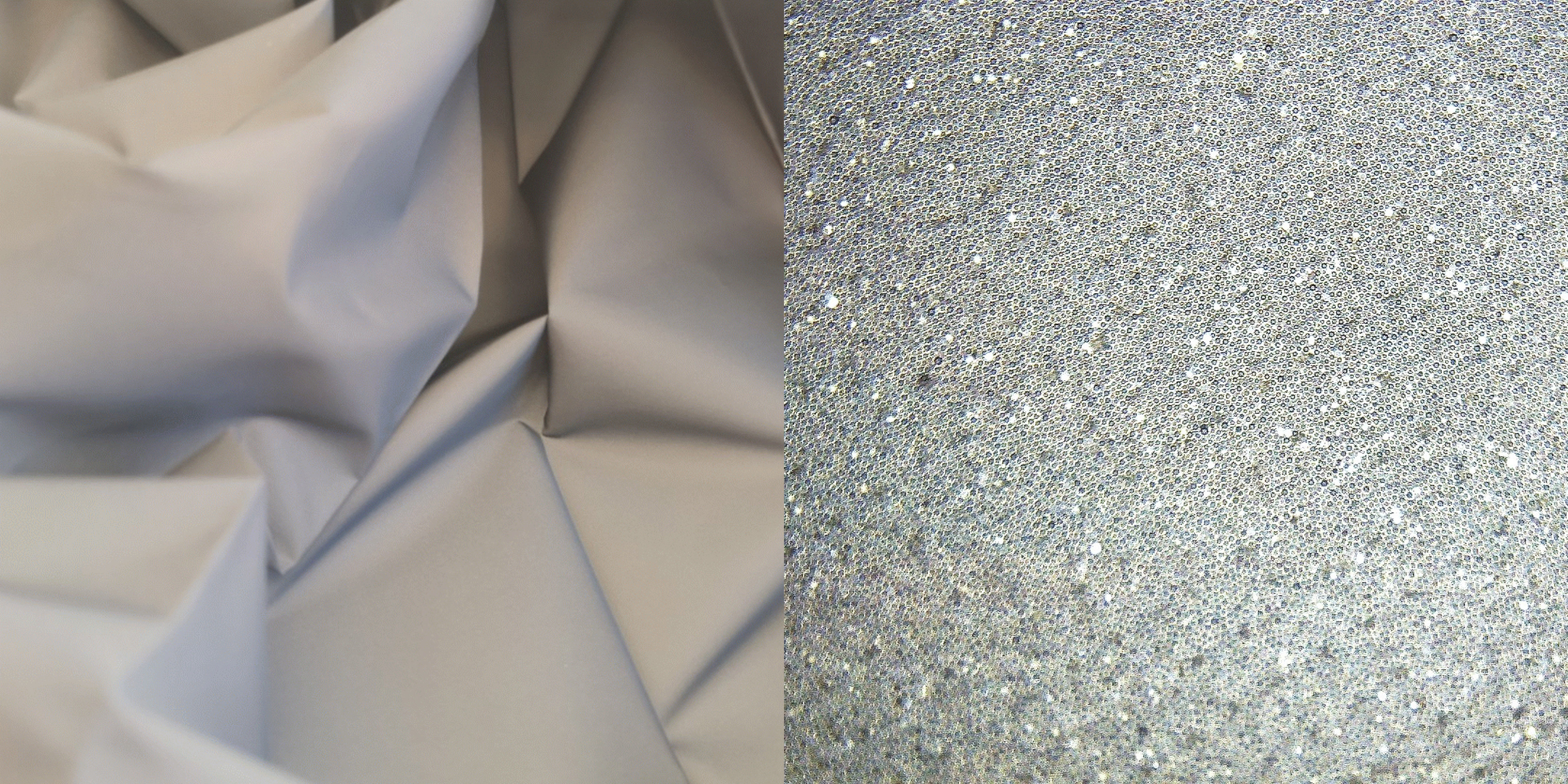
בהקשר הזה "מטריצה" היא החומר הבסיסי שמחזיק בתוכו את שאר המרכיבים של החומר המורכב, מעין תשתית שבתוכה משולבים תוספים (fillers) למיניהם. במקרה של היריעות מחזירות האור ש-3M מייצרת, מדובר במטריצה פולימרית שבתוכה משולבות כדוריות זכוכית המשמשות כתוסף אופטי שמעניק לחומר פונקציונליות חדשה. בזכות המבנה הכדורי של התוסף הזה, הרפלקטיביות שמתקבלת חזקה ועמוקה יותר בהשוואה לתוספים שהחלקיקים שלהם דו ממדיים, והם בדרך כלל יותר נפוצים וזולים. מאז, כדוריות הזכוכית הללו הצטרפו לאנציקלופדיית החומרים האדירה שלי, שמלווה אותי יום-יום. מפעם לפעם הן מופיעות במקומות מעניינים ומפתיעים, הנה כמה: לבוש פונקציונלי ואופנתי צעיף ה"אנטי פפראצי" שסטודיו ISHU השיק ב-2016 כחלק ממה שהם מכנים Anti-flash Fashion Technology. מדובר על צעיף עם הדפס מחזיר אור (רפלקטיבי), שגורם לכך שיהיה כמעט בלתי אפשרי לצלם את מי שלובש/ת את הצעיף הזה עם פלאש. יותר מאשר מוצר פונקציונלי או אופנתי, מה שמעניין בסיפור הוא שהצעיף קיבל סיקור בינלאומי נרחב במגזינים העוסקים באופנה, בבידור ורכילות ואפילו בכמה מגזינים טכנולוגיים. יש כאן מוצר שמדגים מקרה בוחן מעניין שמחבר בין חומר חדש שהפך לזמין בשוק והטמעה עיצובית חכמה בתוך סיפור מוצר שימושי, פשוט וקולע. הפריט הזה היווה סוג של נקודת מפנה שבה מחזירי האור הפכו לחלק אינטגרלי מהלבוש האופנתי. משם השימוש בחומרים מחזירי אור רק הלך והתרחב. צעיף ה"אנטי פפראצי" של סטודיו ISHU. צילומים מתוך wccftech לדוגמה, חברות לביגוד והנעלת ספורט, דוגמת Adidas ו-Asics, משתמשות כיום ביריעות והדפסים שמשלבים כדוריות שמחזירות אור כמעט בכל המוצרים שלהם. ההטמעה יכולה להיות למשל בתוויות מודפסות שמחד מספקות מידע על המוצר או המותג ומאידך מחזקות את הנראות (Visibility) של הלובשות או הלובשים. בנעלי הספורט הטכנולוגיות החומריות החדשות הללו מאפשרות להטמיע יותר אזורים מחזירי אור, בזכות היכולת של החומרים הללו "להסתתר" בתוך מטריצה גמישה וצבעונית שמשתלבת בגפה, לא מתערבת באסתטיקה העיצובית הכללית ומספקת מופע ייחודי ונוסף כאשר התאורה משתנה. כל מי שמתאמנות או מתאמנים בריצה או רכיבה על אופניים לצד הכביש יודעים למה זה חשוב להשתמש במחזירי אור. אבל כשהאחריות תלויה 100% במשתמשי הקצה, לא תמיד היא תתקיים. כשיש פתרון שמשלב חומר ועיצוב ומאפשר להפוך את מחזירי האור לחלק אינטגרלי מהציוד, השימוש בהם הופך לטבעי וקבוע (ואפילו נחשק) ולא עוד 'מטלה'. זה יכול להציל חיים. חנות Holabird Sports מבולטימור עשתה צילומים ממש טובים שמדגימים את האפקט של חומרים מחזירי אור בנעליים כיום, ההטמעה של חומרים מחזירי אור בטקסטיל כבר הפכה נגיש כמעט לכל אדם. לא רק בציוד ולבוש ספורט מקצועי, אלא גם אצל חברות ויצרנים קטנים; החל מז'קטים שעשויים מבד קל ומחזיר אור, דרך כובעים סרוגים, שרוכי נעליים ופאצ'ים שניתן להדביק או לגהץ כדי להצמיד לבגד או לתיק במקום שרוצים. הפונקציה של החזרת האור מוסיפה למוצרי הטקסטיל ערך מוסף אסתטי ובעיקר שימושי. מגמות בחומרים מחזירי אור: התמונה הגדולה ההתקדמות שחיברה בין החומר, לטכנולוגיה ולעיצוב הפכה את מחזירי האור של היום להרבה יותר נוחים, קלים ואסתטיים מאלו שהיו קיימים לפני 20-30 שנה, הם משולבים כיום ביותר ויותר מוצרים ואף הפכו אטרקטיביים בפני עצמם. אבל לא מדובר כאן רק על אסתטיקה או תדמית, אלא גם על בטיחות מעשית שנובעת מצרכים הקשורים למגמות עולמיות רחבות; בעשורים האחרונים אוכלוסיית העולם ממשיכה לצמוח באופן מתמיד. זאת, יחד עם העירוב הגבוה של האוכלוסייה בערים, הובילו לגידול בצפיפות המרחבים הציבוריים ובמגוון האינטראקציות בין האנשים, מה שמעמיד דרישות חדשות לבטיחות בדרכים על מנת לזהות עצמים ואנשים במרחב העירוני. במקביל, החיים המודרניים הובילו למעבר מעבודות הכוללות פעילות פיזית לעבודות מול מסך, לצד עלייה בשימוש ברכב ואף למעבר לפעילויות פנאי שאינן דורשות מאמץ גופני; מה שמכונה גם אורח חיים יושבני (Sedentary). על פי ארגון הבריאות העולמי (WHO) שינויים אלה באורח החיים מהווים גורם מרכזי לעלייה במחלות כרוניות ולירידה באיכות החיים. כמענה לצרכים הפיזיים, הבריאותיים והמנטליים שהשתנו בעקבות המעבר לאורח חיים זה, יותר ויותר אנשים משלבים ספורט בשגרת החיים שלהם, מה שמכונה Leisure-time physical activity (LTPA) ומתאפיין בפעילות בסביבות מגוונות, בהן סביבות ציבוריות משותפות כגון פארקים, דרכים וכבישים. לכן הטמעה של חומרים שנותנים מענה משולב, לדרישות אסתטיות, לתמיכה בפעילות הספורטיבית וגם לבטיחות המשתמשים, הפך לחלק בלתי נפרד מהמציאות הנוכחית. נעלי ספורט או גרסאות הסניקרס השונות הפכו כבר לסטנדרט אצל חלק גדול מהאוכלוסייה, לא רק לספורט חומר הוא גם רגש כמי שפועלת בתחום החומרים למעלה מעשור בגישה המבוססת על חשיבה עיצובית, אני יודעת שכדי להבין באמת את המשמעות של חומר לא מספיק להתבונן בו דרך פריזמה טכנולוגית או תעשייתית בלבד. חומרים פועלים גם במרחב החווייתי, התרבותי והאסתטי, שבו הם משקפים ערכים, מעוררים תגובה, ומציעים דרכים אחרות לחשוב, להרגיש ולפעול. כפי שהזכרתי בפתיחה, המפגש הראשוני שלי עם כדוריות הזכוכית השאיר רושם אסתטי-חזותי עוד לפני שהבנתי את האפשרויות היישומיות שהחומר מציע. זו הייתה חוויה אינסטינקטיבית, שמהדהדת גם בכמה יצירות אמנות שפגשתי לאורך השנים בהן השימוש בכדוריות, בפני עצמן או כחלק מחומר אחר, יצר אמירה רגשית, ביקורתית או פיוטית, שנולדה מתוך המפגש בין החומר ליצירה. לא פעם יצירות אמנות מהוות זירה של חקירה חומרית שמובילה לתוצאות מרתקות; אומנם מיסודן הן מופע אמנותי, אך הן עשויות גם להניח יסודות לפיתוחים פונקציונליים חדשים, כאלה שלא תמיד ניתן לגלות באמצעות גישות המחקר המקובלות בתעשייה. זוהי תזכורת לכך שתרבות, על כל מופעיה, איננה מותרות אלא מרכיב חיוני באופן שבו אנחנו מבינים את העולם ומעצבים אותו. אחד השימושים המרשימים ביותר בכדוריות זכוכית בזירה האמנותית מופיע בסדרת הפסלים PixCell של האמן היפני קוהיי נאווה (Kohei Nawa), שזכה להכרה בינלאומית. בעבודות אלה הוא מכסה בעלי חיים מפוחלצים, חפצים יומיומיים ודימויים מוכרים בשכבה צפופה של כדוריות זכוכית שקופות בגדלים משתנים. לעיתים מתווספים גם חומרים פולימריים (כמו שרפים סינתטיים), המשמשים לאיחוד, הדבקה ויצירת תחושת עומק נוספת. מתוך סדרת Pixcell של Kohei Nawa. צילומים (מימין לשמאל): Scai The Bathhouse by Nobutada Omote - Sandwich, Designboom, Gyre Gallery השכבה הכדורית-השקופה שהאמן מוסיף לאובייקט משנה לגמרי את האופן שבו אנו רואים את מה שמתחתיה; הכדוריות יוצרות מעין עדשות קטנות שמעוותות, מגדילות או מטשטשות חלקים מסוימים, כך שהצורה המקורית כמעט נעלמת או נחשפת מחדש כשהיא מתגלה מזווית אחרת לגמרי. נאווה מדבר בעבודות הללו על ההשפעה של תרבות הדימוי הדיגיטלי על אובייקטים ביולוגיים (כמונו למשל) ועל הצורך בהבנה מחודשת של המציאות הנוכחית המשלבת ביניהם. לצד זאת, אפשר גם לראות בעבודות הללו חקירה חומרית של ראייה, עיוות והתמרה; איך חומר בסיסי ופשוט כמו זכוכית יכול לשנות ולהפוך את המוכר לאחר, זר או חדש בעזרת שינויים במבנה וביישום שלו. מנקודת מבט יישומית, אפשר לראות קשר בין העבודות של נאווה לבין טכנולוגיות תעשייתיות שעושות שימוש בזכוכית מיקרוסקופית או בציפויים מרובי־שכבות, כמו למשל בציפויי בטיחות, חומרים רפלקטיביים או טכנולוגיות של ראייה חכמה. ההבדל הוא שבמקרה של נאווה, מה שמניע את הבחירה בחומר הוא לא בהכרח צורך תפקודי, אלא רצון לעורר חוויה חושית ורעיונית דרך החומר עצמו. הפרשנות וההשראה שהיא מעוררת, בעיני המתבוננת או המתבונן. מתוך "אורפאוס" אורי ויינשטיין במוזיאון נחום גוטמן לאומנות. צילום: יובל יוסף מפגש אפילו יותר קרוב לכדוריות הזכוכית הללו היה בתערוכה "אורפאוס" של האמן אורי ויינשטיין שהוצגה לא מזמן במוזיאון נחום גוטמן לאמנות. הוצג בה מיצב רב־חושי של דמויות אנושיות־כמעט, המשלב פיסול, סאונד ווידאו. הדמויות היו עטויות בגלימות מבד מחזיר אור שנראה שקט ואפור בנוכחות השגרתית שלו, ורק בצילום בפלאש הוא מתמלא באור, מוחק את כל השאר ומדגיש את המתח בין נראות, תיווך חומרי-טכנולוגי ונוכחות פיסית. השימוש החכם שויינשטיין עשה בחומר ממחיש את הפוטנציאל שיש לחומרים להפעיל אותנו; הם יכולים לשנות את איך שאנחנו רואים, נעים ומגיבים. טקסטיל רפלקטיבי מהסוג הזה משמש לרוב לייצור של ג'קטים ותיקים מחזירי אור בענפי האופנה והבטיחות, זהו חומר ייחודי ורב שימושי שנראה במבט ראשון תמים ואפילו משעמם לעיתים. דוגמה של החומר הזה נמצאת גם באוסף החומרים שלי, שנולד מתוך עקרון חשוב שאני פוגשת שוב ושוב בעבודה עם חומרים; החוויה החושית הישירה היא חלק בלתי נפרד מההבנה של חומר. כלומר, מעבר למידע הטכני, מה שמשנה את התפיסה וההבנה שלנו הוא המפגש הפיזי, המשחק של אור וזווית, התחושה והפידבק שהחומר מחזיר אל המשתמש. תיעדתי את דוגמאות הבד גם מבעד לעדשת המיקרוסקופ, ואפשר לראות בו ממש את כדוריות הזכוכית הקטנות המשובצות בתוך המטריצה הפולימרית. מהזווית הזו, ברור לגמרי למה חומרים כאלה מעוררים עניין גם ביישומים אמנותיים וגם בפתרונות פונקציונליים. טקסטיל רפלקטיבי מתוך אוסף החומרים של אפרת ברק. מימין: צילום מיקרוסקופי. רוצים לגלות עוד על חדשנות בחומרים? מוזמנות ומוזמנים ליצור קשר ולקבל מידע על ההרצאות ועל שירותי הייעוץ והמחקר, וגם להירשם לניוזלטר לקבלת עידכונים תקופתיים על כל הנעשה בתחום.

מבט על חדשנות בחומרים ברי קיימא
בשנים האחרונות, הצורך לחשוב מחדש על האופן שבו אנו מפיקים, מעבדים ומשתמשים בחומרים הפך לדחוף, ברור ומוחשי. ההשפעה הסביבתית של חומרים מסחריים מסורתיים, יחד עם הדרישה הגוברת לחלופות מקיימות, הניעו גל חדש של חדשנות במדעי והנדסת החומרים, וגם בתחומי העיצוב ופיתוח המוצר. עבורי, כאשת מקצוע הפועלת בתחום זה, מרתק לראות כיצד פתרונות חומריים ברי קיימא לא רק עונים על אתגרים סביבתיים, אלא גם פותחים אפיקים חדשים ליצירתיות ולצמיחה אסטרטגית. חדשנות בחומרים: גישה חדשה הדיון הזה רלוונטי במיוחד ליזמיות ויזמים, חברות, סטודנטיות וסטודנטים, מוסדות אקדמיים וארגונים המבקשים לשלב בין חשיבה עיצובית לחדשנות בחומרים. השאיפה היא ליצור גשרים בין עיצוב, מדע וטכנולוגיה ולייצר ערך שהוא גם חדשני וגם בר קיימא. לפניכם מבט כולל על מגמות עדכניות, דוגמאות מהשטח והמלצות יישומיות למי שרוצה לפעול בתוך המרחב המתהווה הזה. עלייתם של פתרונות חומריים ברי קיימא: פרדיגמה חדשה פתרונות חומריים מקיימים כבר אינם נישה, אלא מרכיב מרכזי באסטרטגיות פיתוח מוצרים וחדשנות בכל העולם. המיקוד עבר לצמצום ההשפעה הסביבתית לאורך כל מחזור החיים של החומר, משלב ההפקה והעיבוד ועד לשימוש ולסיום חיי המוצר. הכוחות המרכזיים שמניעים את השינוי כוללים: מחסור במשאבים: תמריץ לחפש חלופות מתחדשות או ממוחזרות. רגולציה: חקיקה סביבתית מחמירה, בייחוד באירופה. מודעות צרכנית: דרישה גוברת לשקיפות ולקיימות. טכנולוגיות חדשות: פיתוחים שמאפשרים חומרים מתקדמים עם טביעת רגל נמוכה יותר. דוגמאות בולטות כוללות ביו-פלסטיק (bioplastics) ממקורות צמחיים, רכיבים ממוחזרים וטקסטילים חדשניים מפסולת או מתוצרי לוואי חקלאיים. חומרים אלה מחייבים לעיתים חשיבה מחודשת על תהליכי הייצור, הלוגיסטיקה והעיצוב; ושם נכנסת החשיבה העיצובית לתמונה. אריזות מתכלות מבוססות צמחים ותפטיר. מתוך אוסף החומרים של אפרת ברק חידושים בחומרים ברי קיימא: דוגמאות עדכניות החדשנות בחומרים ברי קיימא מתפתחת בענפים מגוונים, לכל אחד מהם אתגרים והזדמנויות ייחודיים. הנה כמה כיוונים בולטים: 1. פולימרים וביו-פלסטיק ממקורות ביולוגיים חומרים אלה מופקים ממקורות דוגמת תירס, סלק סוכר, אצות או ממקורות חלופיים/מתחדשים אחרים. הם מציעים אלטרנטיבה לפלסטיק מבוסס נפט, ויכולים להיות גם מתכלים או ניתנים למיחזור. דוגמה: חומצה פולילקטית (PLA), נפוצה באריזות, כלים חד-פעמיים והדפסת תלת־ממד. אתגרים: עלות, קנה מידה, מאפיינים טכניים, ותנאים נדרשים לפירוק. שיקול: עלול לזהם את זרמי המיחזור אם לא מתבצעת הפרדה נכונה. 2. חומרים ממוחזרים ומשודרגים (Upcycled) מיחזור ומיחזור עילאי של חומרים כמו פלסטיק, זכוכית או מתכת, הופכים פסולת לתוצר בעל ערך גבוה יותר. דוגמה: מותגי אופנה המשתמשים בטקסטיל המיוצר מפלסטיק שמקורו באוקיינוסים, או ממוחזר מפחת שנוצר בתהליכי ייצור. אתגר: נדרשים מערכי איסוף מתקדמים והשתתפות הציבור. תובנה: אפקטיבי במיוחד כאשר מתקיים כחלק ממערך פנימי או סימביוזה תעשייתית. 3. חומרים מרוכבים מסיבים טבעיים שילוב של סיביים טבעיים דוגמת פשתן, קנבוס או יוטה עם שרפים ברי קיימא, ליצירת חומרים חזקים וקלילים לבנייה או לתעשיית הרכב ומוצרי ספורט. יתרון: לרוב מתכלים ובעלי טביעת רגל פחמנית נמוכה. שיקול: נדרש פיקוח על איכות ועמידות לצורך יישומים מתקדמים. 4. חומרים מבוססי תפטיר (Mycelium) תפטיר הוא ה"שורשים", החלק התת-קרקעי של הפטרייה שניתן לגידול בצורות מגוונות, בעיקר בתבניות. החומר משמש כיום לאריזות, בידוד, חיפוי וריהוט. יתרון: מתכלה לחלוטין וניתן לייצור בצריכת אנרגיה נמוכה. פוטנציאל: חומרים מסוג זה מעוררים עניין בזכות רב־שימושיות וערכי קיימות חיוביים. דוגמאות אלה מציגות יישומים מסחריים של חומרים ברי קיימא, שחלקם הוטמעו בהצלחה וחלקם מהווים הצהרת כוונות. חשוב לציין כי פתרונות מקיימים באמת דורשים לא רק החלפה של חומר אחד באחר, אלא גם חשיבה מחודשת על מחזור חיי החומר והאינטראקציה שלו עם צריכים עיצובים, טכנולוגיים ועסקיים. חומרים בני קיימא שפותחו על ידי הסטארטאפים הישראליים Anina (משמאל) ו-Daika Wood (מימין) שילוב חשיבה עיצובית עם חדשנות בחומרים חשיבה עיצובית (design thinking) היא גישה אנושית־מערכתית שמדגישה אמפתיה, חקירה דרך ניסויים חוזרים (איטרציות) ושיתוף פעולה בין תחומים. כשהיא פוגשת את עולם החומרים – נוצר פוטנציאל יוצא דופן. אמפתיה כלפי המשתמשים והסביבה: מובילה לפיתוחים שיש להם ערך מוסף אנושי ומערכתי, ואיתור מוקדם של אתגרים וכשלים בהטמעה. איטרציות של אבי-טיפוס עם החומרים החדשים: מאפשרים בדיקות מהירות ומענה לבעיות שמתגלות בזמן אמת. שיתופי פעולה בין תחומיים: מעצבים עוזרים לחוקרים, מהנדסים ואנשי עסקים ליצור יחד פתרונות הוליסטיים מתקדמים. גישת מחזור חיים (Lifecycle): מאפשרת להטמיע קיימות כבר משלב הרעיון ועד סוף חיי המוצר. לדוגמה, חברה המפתחת אריזות עשויה להשתמש בחשיבה עיצובית כדי לחקור כיצד חומר מתכלה חדש מתפקד בתרחישים שונים בעולם האמיתי, כיצד צרכנים תופסים אותו וכיצד הוא משתלב במערכות מיחזור קיימות. תהליך איטרטיבי זה מוביל לפתרונות בני קיימא יעילים וידידותיים יותר למשתמש. מניסיוני, שילוב של חשיבה עיצובית עם מדעי והנדסת חומרים יוצר מסגרת חזקה לחדשנות שהיא גם פרקטית וגם משתלבת בחזון העסקי. צעדים ישומיים לארגונים שמעוניינים להטמיע חומרים ברי קיימא מי שמבקשים להכניס חומרים ברי קיימא למערך העבודה שלהם צריכים לשלב תכנון אסטרטגי עם ניסוי מתמיד. הנה שורת צעדים שיכולה לסייע: בחינה של ההשפעה הסביבתית: ניתוח של שרשרת הערך וההשפעות של חומרי הגלם לכל אורכה. פתיחות וחיפוש חלופות: סקירה של חומרים חדשים שמתאימים לערכים ולצרכים שלכם. שיתוף בעלי עניין: עבודה משותפת עם ספקים, מהנדסים, מעצבים ולקוחות, כבר משלבי הפיתוח הראשונים. בניית אב-טיפוס: בדיקות איטרטיביות של הביצועים והתגובות לחומרים חדשים. תכנון לצמיחה: הבנה של עלויות, לוגיסטיקה ורגולציה. תקשורת: הסברה פנימית וחיצונית על היתרונות והאתגרים. למידה מתמשכת: איסוף נתונים, התבוננות וביצוע התאמות. על ידי ביצוע השלבים הללו, ארגונים יכולים להפחית סיכונים, למקסם את היתרונות של פתרונות חומרים ברי קיימא וליישם חדשנות בעלת ערך משמעותי. החל ממיתוג ועד לאדריכלות נוף, חומרים ברי קיימא קיימים עבור כל סוג של עסק לא רק צורך, גם הזדמנות אסטרטגית בשורה התחתונה, חומרים ברי־קיימא הם הרבה יותר מהכרח סביבתי; הם מרחב אסטרטגי לחדשנות. אימוץ נכון שלהם יכול לחזק מוניטין ואמון ציבורי, לצמצם עלויות ולשפר ניהול משאבים לאורך זמן, לעמוד בתקנות ודרישות מתקדמות ולפתוח שווקים חדשים וליצור מוצרים פורצי דרך. המעבר לשימוש בחומרים ברי-קיימא דורש אומץ, סקרנות, ושיתוף פעולה בין תחומי, והוא הכרחי לבניית עתיד טוב יותר לכולנו. בעיניי, זוהי קרקע פורייה לא רק לפיתוח חומרים אלא גם לצמיחה עסקית ותרבותית של ממש. יש לכם שאלות נוספות? מוזמנים ומוזמנות ליצור קשר וללמוד על ההרצאות ועל שירותי הייעוץ והמחקר.

הכוורת כמודל: מחשבה חומרית בהשראת הטבע
מהדפסת תלת-ממד ועד חכמת ידיים – מבט בין-תחומי על מערכת החיים של הדבורים, דרך עדשת החדשנות בחומרים כמי שגדלה ועבדה במכוורת, המשושים הזהובים של חלת הדבש ריתקו אותי כבר מגיל צעיר. הדבורים, כידוע, בונות את ביתן מתאים העשויים דונג, שעווה טבעית שהן מייצרות בגופן. באמצעותה הן יוצרות את מבנה הכוורת, המשמש לאחסון מזון, הטלה וגידול הדור הבא. המבנה מאוד מסודר ומעורר השראה. הרוב המוחלט של התאים נבנה בדייקנות ובגודל קבוע. אך אם מתבוננים מקרוב, רואים שהמבנה אינו נוקשה – אלא גמיש ואדפטיבי. הבנייה משתנה בהתאם לתנאים ולצרכים של הכוורת. תאים המיועדים לגידול זכרים, למשל, יהיו גדולים יותר. תאים בקצוות יהיו לעיתים קטנים יותר או חסרי סימטריה. דפנות יתעבו או ידקקו, בהתאם לזמן, למקום ולתכלית. חוויות מהמכוורת לפני שנים, בחופשות הסמסטר בעת לימודיי לתואר הראשון בעיצוב התעשייתי, נהגתי לעבוד במכוורת. לאט לאט התחלתי לראות את העולם המופלא של הדבורים בעיניים חדשות, דרך פרשנות עיצובית, מערכתית ותעשייתית. הבנתי שהכוורת היא מערכת שנוצרה על ידי תכנון טבעי. היא משלבת בין רפטטיביות גבוהה, היכרות מעמיקה ושימוש חסכוני בחומר, לצד גמישות תפקודית גבוהה. מערכת זו מבוססת לא על תכנון מרכזי, אלא על אינטליגנציה מבוזרת. זו תוצאה של פעולה סינכרונית בין פרטים רבים, המגיבים לסביבה בזמן אמת. כיום, אחרי שסיימתי גם תואר שני בלימודי הסביבה, הפרשנות העמיקה והתרחבה. אני מביטה על הכוורת עם מבט מערכתי-גלובלי ואקולוגי. היכרות עם מערכות אנושיות וביולוגיות שונות וידע שמקורו במחקרים מדעיים מתחומי הביולוגיה והסביבה, כלכלה ומדיניות, הנדסה, פילוסופיה, פסיכולוגיה וכמובן - חשיבה עיצובית. חלות פלסטיק במכוורת בה עבדתי. בהמשך הכתבה גם הסבר קצר על החלות הללו ומי שפיתח אותן. קרדיט: אפרת ברק במבט לאחור, נדמה שהדברים שלימדו אותי הדבורים והכוורת הם מה שאנחנו מנסים להשיג כיום בתחום החדשנות בחומרים. פיתוח יישומים ומבנים רב-שימושיים, התאמה אופטימלית בין חומר לתכלית, ושילוב בין ידע וצרכים מקומיים ליכולת ייצור בת קיימא. במובן הזה, חלת הדבש אינה מציעה רק השראה צורנית. היא תוצר של מערכת ביולוגית דינמית שמציעה כיווני מחשבה חדשים לפיתוחים מסחריים ויצירתיים כאחד. אז בואו נצלול פנימה: הדפסת תלת מימד ביולוגית אחד הדברים הכי מרתקים בעיני במבנה של חלת דבש הוא אופן הבנייה שלה. זהו תהליך הדרגתי, שמתרחש בשכבות, באמצעות חומר חצי-נוזלי שמתקשה ומתייצב. קשה לא לחשוב על הדמיון להדפסת תלת-ממד. הדבורים מבצעות כבר מיליוני שנים את מה שאנחנו מצליחים לעשות בטכנולוגיה מתקדמת בעשורים האחרונים. תכנון שמתבסס על שיטתיות, התאמה לתנאים מקומיים ותגובה בזמן אמת. היתרון המשמעותי של המערכת הביולוגית הזו, אורגניזם העל שהוא הכוורת, הוא היכולת לפעול בדיוק גבוה ובאופן חזרתי – בלי לאבד את הגמישות. שיטת הבנייה של הדבורים חסכונית בחומר, מסתגלת, ניתנת לפירוק והרכבה, ומשתנה לפי עונות, תנאים ומרחב. הכוורת היא דוגמה למנגנון עיצובי שנשען על הבנה עמוקה של הקשר בין חומר, צורך וזמן. לא "פתרון אחד שמתאים לכולם", אלא תכנון ביולוגי, חי ודינמי שממזער פסולת, ממקסם משאבים – ומצליח להתאים את עצמו למציאות משתנה, בלי לפגוע בטבע שסביבו. יעילות חומרית, כלכלית וסביבתית – שהאנושות רק מתחילה להתקרב אליה. מחקר חדש של Golnar Gharooni-Fard מאוניברסיטת קולורדו בולדר בחן את האסטרטגיות בהן הדבורים משתמשות כדי לבנות חלה על פני שטח שונים. החוקרים נתנו לדבורים לבנות על משטחים שהודפסו במדפסת תלת מימד עם פני שטח משושים בקנה מידה שונה ומצאו שלוש אסטרטגיות עיקריות: הטייה, איחוד ושיכוב. הביופיזיקאית ומדענית המחשב הישראלית-אמריקאית אורית פלג היא אחת מהאחראיות על המחקר. בכתבה אודותיו היא מסבירה שהאסטרטגיות הללו מרמזות על הבנה אינטואיטיבית של הפיסיקה של תהליך הבנייה הקולקטיבי. בעיקר, שהאופן בו הדבורים בונות את הכוורת הוא אדפטיבי (כלומר, בעל יכולות הסתגלות) בצורה יוצאת מן הכלל. עם זאת, היא מזכירה שעדיין יש הרבה שעוד לא ידוע לאדם לגבי האופן בו הדבורים בונות את הכוורת. תמונות המראות שתיים מתוך שלוש מאסטרגיות הבנייה של הדבורים שזוהו במחקר החדש מאוניברסיטת קולרדו בולדר. קרדיט: Golnar Gharooni-Fard כשראיתי את המשטחים המודפסים ששימשו במחקר הזה, נזכרתי בחלת הפלסטיק שפיתח יצחק פרמן ז"ל, שהיה מורה אהוב במקווה ישראל ונחשב לאחד ממייסדי ענף הדבש בישראל. מדובר על יחידה שמיוצרת בהזרקת פלסטיק, בצורת מסגרת מחוזקת שמחזיקה משטח בעל טקסטורת משושים תלת מימדית ובצבע צהוב. את החלה הזו מצפים בשעווה על מנת שתיקלט על ידי הדבורים, שבתורן ימשיכו את בניית התאים בשעווה שהן מייצרות. חלת הפלסטיק החליפה את החלות הקודמות (שעדיין נפוצות במכוורות קטנות), שהיו בנויות ממסגרת עץ שעליה נמתחים חוטי מתכת שמחזיקים יריעת שעווה. חלת הפלסטיק מציעה עמידות ונוחות בעבודת המכוורת. אולי הכי מעניין מבחינת הבחירה החומרית-טכנולוגית הוא שניתן לעשות בה שימוש חוזר במשך שנים. כך שיתכן ובמקרים מסוימים היא עדיפה מבחינה סביבתית. יצחק פרמן עם חלת הפלסטיק שפיתח, חלת הפלסטיק עם תאי דבש חתומים ומתחתם תאי אבקה. קרדיט: איתן פרמן. חלת עץ עם תאי דבש ומתחתם תאי ולד. קרדיט: מכון ולקני בנייה ב-Mono-material מתמחזר אם ננסה ללמוד מהאקוסיסטם החומרי של הכוורת, נגלה מערכת שלמה שמתקיימת כמעט כולה על בסיס חומר אחד: שעווה. כלומר, אותו מבנה רב שימושי (מגורים, גידול צאצאים, אחסון מזון ועוד) עשוי מחומר שאינו תעשייתי. הוא אינו תוצר של כרייה, אינו נרכש או מיובא – אלא מיוצר באופן מקומי, בגוף של הדבורים עצמן. הן אוספות את חומרי הגלם, מפרישות את השעווה, מעבדות ובונות איתה. יתרה מכך, השעווה לא משמשת באופן חד־פעמי כמו רוב חומרי הבנייה שאנחנו משתמשים בהם. להפך: הדבורים יודעות לפרק, למחזר ולבנות איתה שוב ושוב – בהתאם לצרכים ולתנאים. אם צריך לסתום חור – תגיע שעווה. אם צריך להתרחב – תיבנה שכבה חדשה. אם יש פחות דבורים – ייסגרו חלקים בכוורת וילקח מהם החומר לשימושים אחרים, בהתאם לדרישות באותו הזמן. אצל בני האדם סוג כזה של ידע מכונה בין השאר "חכמת ידיים" או "אינטליגנציה חומרית". יש לו מאפיינים ופוטנציאל ייחודיים שחשוב להכיר גם היום בעידן התעשייתי-דיגיטלי-בינתי. תיארתי דוגמה לחכמה כזאת בחומר בכתבה "שיעור ראשון על חדשנות בחומרים" שפרסמתי בעבר כאן באתר. ניתן ללמוד על כך גם ממחקר הפעולה המתמשך על בתי המלאכה של קריית המלאכה בתל אביב, שתוצאותיו מוצגות בימים אלה בבית בנימיני בתערוכה הקבוצתית "אינטליגנציה חומרית" (אוצרות: יאיר ברק ושירה שובל). יחד עם זאת, נראה שאצל הדבורים החכמה הזאת לוקחת צעד נוסף קדימה. השעווה היא חומר שמכיל בתוכו את הידע, את הבית ואת היכולת להגיב למציאות (אדפטיביות) ברמה העמוקה ביותר. זה לא ייצור סדרתי בחומר כפי שאנחנו מכירים בעולם המודרני – אלא עיצוב מתהווה (Emergent Design) שפועל כחלק ממערכת חכמה, חיה ודינמית. על שאלות אלה ואחרות ביקש לענות הפרויקט Synthetic Apiary II (מכוורת סינטתית 2) של החוקרת והמעצבת הישראלית-אמריקאית נרי אוקסמן יחד עם קבוצת Mediated Matter מ-MIT, אותה הובילה בעבר. במסגרת הפרויקט, הקבוצה בנתה סביבת ניסוי סגורה שמחקה תנאי אקלים טבעיים ומיועדת למחייה של דבורים. זהו פרויקט מקיף שאחת המטרות העיקריות שלו הייתה לאפשר מעקב וניתוח ממוחשב של האדריכלות של הדבורים. המטרה הייתה להבין מהם המבנים שהן בונות ובאיזה אופן הן עושות זאת. אחת התצפיות המעניינות שעלו ממנו בהקשר של השעווה הייתה שהדבורים ישתמשו גם בשעווה מעובדת או כזו שכוללת תוספים, כאשר זו זמינה. החוקרים משערים שככל הנראה הדבורים עושות זאת מכיוון שייצור השעווה דורש מהן הרבה מאוד אנרגיה. זהו תחליף חסכוני ויעיל יותר עבורן. כאן ניתן לקרוא עוד על הפרויקט ועל תפיסות העולם המרתקות שמאחוריו, וכאן ראיון מעניין עם אוקסמן מאותה התקופה, עם הסבר על הפרויקט בדקה 14:25. מבנים של חלות דבש שנוצרו בשיתוף פעולה בין בני אדם ודבורים, היסטוגרמות של המבנה המקומר של חלת הדבש ותאים שנבנו משעווה עם תוספים. מתוך Synthetic Apiary II קרדיט: Neri Oxman and The Mediated Matter Group שפה חומרית חדשה בעולם בו שרשראות אספקה מתארכות, חומרי גלם אוזלים, ומערכות מתפקדות רק כשיש קבלנים או מקורות חיצוניים – מודל הכוורת מציע רעיון אחר. הוא מציע לפתח מערכות שמאפשרות יישום בהתאמה מקומית. מערכות אלו מבוססות על מגוון חומרים מצומצם על מנת לאפשר גמישות, קיימות ורווחה מערכתית לאורך זמן. הכוורת מלמדת אותנו גם על יחס אחר לחומר. יחס זה מבוסס על היכרות וקרבה שמאפשרות להסתכל על החומר לא רק כאמצעי לייצור, אלא כשותף לתהליך. הדבורים מכירות את החומר שלהן באופן אינטימי. הן גדלות בתוכו, חיות איתו, עובדות איתו כל חייהן. הידע שלהן הוא חומרי, חושי, עכשווי, ומאפשר להן לבנות ולפרק, להתאים ולהשתנות, בלי להזדקק לתכנון מרוחק או להוראות הפעלה. זוהי אינטליגנציה חומרית-ביולוגית אמיתית. חכמה שנובעת מהמפגש בין גוף, חומר, הקשר וסביבה. הבנה כזו של חומר יכולה לאפשר תהליכי חדשנות מדויקים יותר. תהליכים אלו מבוססים על הקשבה הדדית, פיתוח הדרגתי, חיבור לתנאים מקומיים והפעלה של שיקול דעת אנושי, אקולוגי ואתי. במקום לחפש פתרונות מבחוץ, אפשר להתחיל ממה שכבר קיים – במערכת, בסביבה, באנשים. גם בפיתוח ויישום של חומרים, גם בתהליכים יצירתיים, וגם בפרויקטים שמבקשים לחבר בין קיימות, טכנולוגיה ותרבות. נ.ב. אם כבר מדברים על דבורים, תמיד מעניין אותי לראות מעצבים שמוצאים דרכים חדשות להסתכל על הכוורת עצמה ולהשתמש בתצורות וחומרים שונים. קחו לדוגמה את פרויקט הגמר של יהודה בר מהמחלקה לעיצוב תעשייתי ב-HIT. הוא מצא דרך מקורית להשתמש בתפטיר (Mycelium, חומר מאוד מעניין וגם בר-קיימא) לבניית כוורות שמיועדות לחקלאות עירונית. פגשתי את יהודה עוד לפני שהגיש את הפרויקט, כשבאתי לייעץ לסטודנטים במחלקה, והתרשמתי מאוד מהידע והרצינות שלו. לא פלא שרגע אחרי ההגשה, הפרויקט שנקרא BEE2C כבר נמצא בשלב הבא שלו. גלריית צילומים מתוך הפרויקט BEE2C של יהודה בר רוצים לגלות עוד על חדשנות בחומרים? מוזמנות ומוזמנים ליצור קשר ולקבל מידע על ההרצאות ועל שירותי הייעוץ והמחקר, וגם להירשם לניוזלטר לקבלת עידכונים תקופתיים על כל הנעשה בתחום.

לחשוב חומר אחרת: תובנות מכנס IMD על עיצוב, חדשנות וקיימות
סמוך לפרנקפורט, במבנה היסטורי של מפעל פורצלן מסורתי התקיים Materialdesign Designresearch Symposium של IMD - המוסד לעיצוב חומרים ולימודי חומרים מתקדמים שפועל כחלק מ־HfG Offenbach. לכאורה כנס אקדמי קטן, אך בפועל - ביקור במרחב חוקר המלא בידיים פועלות, ומעודד מפגש תרבויות ושיח בין-תחומי ער שעוסק בעתיד של עולם החומרים מנקודת מבט עיצובית. הגעתי לכנס מטרה לשמוע, להתרשם ולהבין מה מתרחש כיום במוקדי הידע והעשייה שמובילים את העשייה האקדמית בתחום באירופה. מצאתי קהילה מקצועית קטנה, מגובשת ומסבירת פנים של מעצבות ומעצבי חומרים, שפועלים יחד ברוח של פתיחות, סקרנות ורצון להרחיב אופקים דרך שיתופי פעולה בין תחומיים. כל אחד מהם מגיע מרקע ומקום אחר - איטליה, גרמניה, קולומביה ועוד - אך ביניהם נבנית רשת חיה של שותפות, ידע, טכניקות, השראה ומחקר משותף. IMD: אקדמיה בתוך מפעל פורצלן פעיל מפעל הפורצלן Höchst Porcelain Manufactury נוסד בשנת 1746 ומתבצעת בו עבודת יד מסורתית בפורצלן מקומי, אמנם בקנה מידה קטן, אך ברמות גימור מהגבוהות באירופה. המפעל פועל כבר מאות שנים, אך בשנים האחרונות מתקשה להתקיים מבחינה כלכלית – תוצאה של שינויי טעם, שוק תחרותי ועלויות ייצור גבוהות שמתקשות להתאים לדרישות השוק המודרני. הנוכחות של IMD (המוסד לעיצוב חומרים שפועל כחלק מ־HfG Offenbach) בתוך המפעל אינה מקרית. החיבור בין המוסד האקדמי למקום נועד לשמר את הידע החומרי, לתמוך בתעשייה מקומית ולייצר שיתופי פעולה בין דוריים ובין תחומיים. מעצבים, חוקרים ואנשי קראפט פועלים בו זה לצד זה, תוך שילוב של ידע מסורתי עם טכניקות עכשוויות, מחקר חומרי וכלים ניסויים לעיצוב חומרים חדשים. המיקום הפיזי של הכנס, לצד מדפי תבניות, דגמים וכלי עבודה, הדגיש את הקשר הישיר בין חומר, ידע, קהילה ומסורת. זה לא רק מקום שמעצב חומרים - זה מקום שמעצב ומשמר תרבות וידע. שיתופי פעולה בין אקדמיה לתעשייה מסורתית המוסד לעיצוב חומרים ולימודי חומרים מתקדמים (IMD) הוא דוגמה בולטת לחיבור ישיר בין מוסד אקדמי לבין סביבה יצרנית מסורתית - שיתוף פעולה שמתקיים גם באירופה וגם מחוצה לה במסגרת גישות עדכניות וחדשניות לפיתוח חומרים. החיבורים הללו מתרחשים בממשקים מגוונים: בין עיצוב למדעים מדויקים, טכנולוגיה, סוציולוגיה ותרבות חומרית. מעצבות ומעצבים משתפים פעולה עם ביולוגים, כימאים, מהנדסי מכונות, מהנדסי חומרים, אנתרופולוגים, פסיכולוגים, רופאים ואנשי מקצוע נוספים - מתוך הבנה שכדי להגיע לחדשנות משמעותית בחומרים נדרשת ראייה מערכתית ורגישות להקשרים תרבותיים והתנהגותיים. החיבור הזה מאפשר שימור של ידע מסורתי ייחודי, תוך פתיחה וגילוי של אפשרויות חדשות למחקר ופיתוח של חומרים חדשים באמצעות שיתופי פעולה רב-תחומיים ועבודת שטח יישומית. בכנס הוצגו יוזמות נוספות ברוח זו: אמה זיכר (Emma Sicher) הציגה שיתוף פעולה בין תחומי עם חוקרי מיקרוביולוגיה מאוניברסיטת Humboldt ועם Kasetsart University בתאילנד - שם למדה על טכניקות מסורתיות מקומיות של תסיסה, שהובילו אותה לגלות שניתן לגדל SCOBY מסוגים שונים של חומרים גם ללא הוספת גורם מניע לתהליך (Starter). השילוב בין ידע מסורתי למעבדות עיצוב ומדע פתח עבורה ועבור שותפיה למחקר כיוונים ושאלות מחקריות שלא היו נגישים קודם. בגרמניה, קבוצת המחקר Matters of Activity (MoA) של אוניברסיטת Humboldt פועלת בשיתוף עם מכון מקס פלאנק (Max Planck Institute of Colloids and Interfaces) בפרויקטים בין־תחומיים של עיצוב, ביולוגיה וכימיה של חומרים רכים. יוהאנה ההמאייר־קירטן (Johanna Hehemeyer-Cürten) הציגה מחקר שעוסק בתכונות, טכנולוגיות ויישומים אפשריים של קליפת עצי אורן המשמשים ביערנות המקומית בדגש על גילוי הקשרים שבין מבנה, חומר ותנועה וחקירת הפוטנציאל של החומר כמקור אלטרנטיבי. סופיה סולדד דוארטה פובלטה (Sofia Soledad Duarte Poblete) הציגה מחקר מעורר השראה שנעשה ב־Politecnico di Milano תחת קבוצת המחקר Made Trans בהובלת פרופ’ ולנטינה רוגנולי (Valentina Rognoli), לפיתוח מתודולוגיות רב־תחומיות לעבודה עם חומרים מקומיים, תרבותיים וברת־קיימא תוך שיתוף פעולה עם יזמים, חוקרי קיימות ומדעני חומרים. בכל המקרים הללו, שיתוף הפעולה בין מעצבות ומעצבים לחוקרים ואנשי מקצוע מתחומים אחרים אינו רק כלי עזר - הוא תנאי מוקדם לפיתוח של פתרונות מקוריים, רגישים להקשר ומבוססי חשיבה מערכתית. מעצבות ומעצבים כמובילי חדשנות בכנס הודגש שוב ושוב שתפקידם של מעצבות ומעצבים בתהליכי מחקר ופיתוח של חומרים הינו רחב ומגוון ואינו מוגבל לערכים אסתטיים בלבד - הם בונים גשרים בין תחומים ויוצרים שפה חומרית חדשה. עקרונות כמו התנסות חומרית פתוחה (Tinkering), הקשבה לחומר, עבודה דרך הידיים וניסוי וטעייה מזוהים כיום עם מחקר עיצובי עכשווי – והם אלה שמקדמים חדשנות מתוך פעולה. ברבים מתהליכי המחקר שהוצגו, ניכר כי המעצבות והמעצבים מילאו גם תפקיד של facilitators - אנשי מקצוע שמגשרים בין שפות דיסציפלינריות שונות ויוצרים שפה חזותית, חומרית ומושגית משותפת. במספר מקרים הוזכר כיצד המחקר העיצובי תרם לגילויים מדעיים מחד, ומאידך לקידום והנגשה של מחקר מדעי בזכות היכולות הייחודיות של המעצבים. עם זאת, עלתה בכנס גם תובנה חשובה: כדי להשתלב באופן אפקטיבי במחקרים בין־תחומיים, על המעצבים לרכוש מיומנויות נוספות שלעתים קרובות אינן חלק מהכשרתם הפורמלית. בין אלה נמנות יכולות תיעוד שיטתיות, כתיבת פרוטוקולים ומדידה כמותית. היעדר כלים אלו עלול לעכב את ההכרה בתרומה של מעצבים, ואף ליצור זלזול לא מודע מצד שותפים מדיסציפלינות אחרות. כדי שמעצבים לא רק ישתלבו אלא ישפיעו, דרוש מהלך שמחזק את היכולת לתקשר את הפעולה והמחשבה העיצובית באופן שהשותפים המדעיים והטכנולוגיים יוכלו להבין, להעריך ולהשתמש בה כמנוף לפיתוח משותף. שיתופי פעולה עם מדענים ומהנדסים כדי לפתח חומרים חדשניים בעלי רלוונטיות סביבתית, טכנולוגית ותרבותית, לא די בגישה עיצובית או בפתרונות שנולדו בסדנת קראפט חד פעמית. הכנס הדגים כיצד שיתופי פעולה עמוקים וארוכי טווח בין מעצבות ומעצבים למדענים, מהנדסים וחוקרי סביבה - מאפשרים פריצות דרך מחקריות, משפרים את תהליכי הפיתוח ותורמים לקידום וחשיפה של הידע המחקרי. כיום, מעצבים לא רק משתלבים בצוותים מולטי־דיסציפלינריים, אלא יוזמים ומכוונים את עבודתם לאזורים שהוגדרו קודם כ״מחוץ לתחום״. הם מביאים ראייה מערכתית, רגישות הקשרית ויכולת לדמיין עתידים חומריים חדשים ובכך מעוררים עניין גם בצד המדעי. לצידם, השותפים לתהליך מהתחום המדעי או ההנדסי - כימאים, ביולוגים, מהנדסי מכונות וחומרים - תורמים ידע מדעי תיאורטי ומעשי שמאפשר לקדם את המחקר מהתנסות לתגליות מדעיות ו/או יישומיות. כפי שהוצג בכנס שיתופי פעולה אלה מתקיימים לעיתים קרובות בזכות מסגרות מחקר בין־לאומיות, בתמיכת מוסדות כמו האיחוד האירופי, מועצות מחקר לאומיות או יוזמות אקדמיות ייעודיות. במקומות שבהם יש תמיכה מוסדית כזו, ניתן לראות כיצד חיבורים בין עיצוב למדע הופכים מניסיוניים לשיטתיים ומובילים לא רק לפרויקטים חדשניים אלא גם לשינוי עומק בתרבות המחקר והפיתוח. גישות סביבתיות ואקולוגיות לעיצוב חומרים הקשר בין תחום החומרים לסוגיות של קיימות הוא קשר מהותי. השימוש בחומרים הוא אחד הגורמים המרכזיים בפגיעת האדם בכדור הארץ, בעקבות תהליכי ההפקה, הייצור, הצריכה והסילוק שלהם. מדובר במעגל שלם שכולל כרייה של משאבים מוגבלים, שימוש באנרגיה ובמים, פליטות מזהמים, תנאי עבודה פוגעניים, שינוע ואריזה, ולבסוף - טיפול סוף חיים בעייתי שכולל עודפי פסולת, זיהום וסיכונים בריאותיים וסביבתיים. לכן מתחזק ומתבהר הצורך במעבר ממבט אנתרופוצנטרי - שבו החומר נתפס ככלי לשירות האדם - למבט שבסיסו בגישות אקולוגיות ואקוצנטריות, כזה הרואה את החומר כחלק ממערכת רחבה של חיים, סביבה, זמן ויחסים הדדיים. בכנס המעבר לגישות הללו הוצג לא רק כתיאוריה מופשטת אלא כפרקטיקה ממשית. יוהאנה ההמאייר־קירטן (Johanna Hehemeyer-Cürten) הציגה פרשנות עיצובית מדויקת לאמירה המיוחסת לג'וליאן וינסנט (Julian Vincent): "בטבע, הצורה זולה והחומר יקר". היא השוותה בין האופן שבו בטבע חומר אחד - למשל צלולוז - מאפשר יצירת אינספור יישומים, צורות, טקסטורות ומבנים, לבין הדרך שבה האדם משתמש באינספור חומרים, המגיעים לעיתים מרחבי העולם, לצורך יישום יחיד כמו סמארטפון. ההשוואה הזו שימשה בסיס לקריאה לחשיבה מחודשת על מערכות ייצור, חיסכון במשאבים, ועל התבונה המובנית בטבע לעומת העודפות שבתעשייה האנושית. ולנטין ברוק (Valentin Brück) הדגים גישה אקוצנטרית לעיצוב חומרים, המבוססת על עיצוב ספקולטיבי ככלי לדמיין ולתכנן עתידים רצויים. הרצאתו סיכמה היטב את הקריאה שחזרה גם אצל דוברות ודוברים אחרים: יש להרחיב את ההגדרה של "משתמשים" - שתכלול לא רק בני אדם, אלא גם צמחים, חיידקים, אדמה ומערכות חיים שלמות – ובכך להניח תשתית לתכנון מערכתי רגיש ומקיים. מנקודת מבטי כחוקרת ומומחית לחדשנות בחומרים, השילוב בין קיימות לחדשנות הוא אינטגרלי: לא ניתן לתכנן עתיד בלי להכניס שיקולים הקשורים במשבר האקלים, מגמות בצמצום משאבים, שינויים רגולטוריים, טכנולוגיים וגאוגרפיים. תכנון שמתעלם מכל אלה עשוי להיראות חדשני, אך בפועל הוא מתכנן עבור עתיד שלא יגיע מכיוון שהוא מתעלם מהמציאות הסביבתית, הכלכלית והחברתית המשתנה. הפוטנציאל בישראל לצד מה שנעשה באירופה, גם בישראל יש תשתית ראשונית לפיתוח חומרים בגישה עיצובית־מקיימת. במסגרת מחקר שערכתי באוניברסיטת תל אביב נמצא כי כ־11% מפרויקטי הגמר בעיצוב תעשייתי שנעשו בשנים האחרונות עסקו בפיתוח חומרים, וכ־50% מהם התמקדו בחומרים סביבתיים. מעבר לנתונים, ניכר כי סטודנטים וסטודנטיות לעיצוב מבטאים סקרנות ורצון להתמודד עם אתגרי הסביבה דרך חומר - אך עושים זאת לרוב בצורה אינטואיטיבית ומתוך רצון ונטייה אישית. דווקא כאן נפתח פתח משמעותי לחדשנות: החיבורים האפשריים בין עיצוב למדעים מדויקים, הנדסה, מדעי הסביבה, קראפט מקומי ותעשייה מסורתית טרם מוצו בישראל. באקדמיה, באקסלרטורים ובמכוני המחקר המקומיים ניתן לבנות תשתית שתביא לקפיצת מדרגה ביוזמות הקיימות ותהווה בסיס של עשייה רחבה, מערכתית ורב־תחומית. יש בישראל כבר היום יוזמות שמבשרות את העתיד הזה: קורסים אקדמיים ראשונים שמתמקדים בחומרים בגישה עיצובית ובין תחומית, סטארטאפים שנולדים מתוך פרויקטי גמר חומריים של מעצבים ושיתופי פעולה נקודתיים בין מעצבים, אדריכלים וחוקרים שמייצרים מתודולוגיות וגילויים מדעיים חדשים. אלו ניצנים של תחום צומח. דווקא כיום, נוכח הצורך המתגבר באיתור מקורות, טכנולוגיות ויישומים אלטרנטיביים בתחום החומרים, מדינה כמו ישראל שעד כה הצליחה לבסס תעשייה שממוקדת רק במגוון מצומצם של חומרים יכולה להשתמש במשאבים הייחודיים שיש לה - מעצבים ומעצבות מעולים, חוקרים סקרנים, תעשייה טכנולוגית מפותחת וה"ראש הישראלי" - כדי להפוך, אם נרצה בכך, למוקד חדש של חדשנות בחומרים בגישה עיצובית, תוך בניית שיתופי פעולה, תשתיות ידע ומסלולי פיתוח חדשים. לסיכום הכנס חידד עבורי את מה שאני מכירה מניסיון אישי: החדשנות בעולם החומרים אינה נוצרת רק דרך טכנולוגיות פורצות דרך, אלא גם במעבדות וסדנאות קטנות, במפגש בין דיסציפלינות, מתוך חקירה סקרנית, עבודת יד וראייה מערכתית. אני פועלת כעצמאית מתוך זיהוי של צורך ממשי: למרות הפוטנציאל האמיתי, בישראל התחום עדיין בחיתוליו. כמי שפועלת בשטח הזה כבר מעל לעשור, חשוב לי לתווך ידע - בין מה שקורה כאן למה שמתרחש בעולם - ולהפך. המטרה שלי היא לחשוף קהלים שונים למגמות חדשות, לחבר בין מעצבים, חוקרים, יזמים ותעשייה, ולבסס תחום שיכול להניב תועלת מקצועית, סביבתית וכלכלית. אני מאמינה שכדי לפעול אחרת, צריך לדעת לחשוב אחרת ולהיחשף לדוגמאות שמציעות כיוונים חדשים זה הצעד הראשון. הכנס הזה היה אחת הדוגמאות, ואני שמחה על ההזדמנות לחלוק את התובנות ממנו. למידע נוסף על IMD - The Institute for Materialdesign and Advanced Material Studies: https://imd-materialdesign.com/ ואם אתם כבר מגיעים לאיזור פרנקפורט: כדאי מאוד לבקר בגן הבוטני Palmengarten ולגלות שם הרבה יותר מ-50 גוונים של ירוק רוצים לגלות עוד על חדשנות בחומרים? מוזמנות ומוזמנים ליצור קשר ולקבל מידע על ההרצאות ועל שירותי הייעוץ והמחקר, וגם להירשם לניוזלטר לקבלת עידכונים תקופתיים על כל הנעשה בתחום.

מה זה חדשנות בחומרים? עיצוב חכם שמתחיל בחומר נכון
חומרים הם כבר מזמן לא רק רכיבים פסיביים בתהליך העיצוב. נראה כי בשנים האחרונות יותר ויותר אנשי ונשות מקצוע לומדים להכיר בחשיבות של בחירת חומרים בתהליכי יצירה וייצור, ומבינים שחומרים משפיעים עמוקות לא רק על המראה, אלא גם על הפונקציונליות, העמידות והקיימות של כל אובייקט, מוצר או מבנה. בתור מי שמחברת בין חומרים, עיצוב, מדע וטכנולוגיה, אני רואה כיצד חומרים חדשניים יכולים להפוך רעיונות למציאות פיזית, ולא פחות חשוב מכך, איך בחירת חומרים נכונה משפיעה על המשתמשים, הדיירים, וכמובן גם על ההצלחה של המותג או החברה המייצרת. אני יודעת גם שלמעצבות ומעצבים עסוקים לא תמיד יש מספיק זמן או יכולות לצלול לעומק לטובת מחקר ובחירה של חומרים. בשביל זה יש אנשים כמוני, שחיים את עולם החומרים יום-יום. אם עדיין לא ברור לכם איך חדשנות בחומרים יכולה לתרום לעשייה שלכם, ריכזתי כאן כמה תובנות על איך חומרים תורמים לחשיבה ולעשייה עיצובית, וגם כלים בסיסיים למי שרוצה לפעול אחרת וליצור ערך משמעותי, ומבט על עתיד החומרים בעולם העיצוב. הכתבה הזאת פונה בעיקר למעצבות ומעצבים, אבל יכולה להיות רלוונטית לעוסקים בתחומים משיקים, דוגמת אדריכלות והנדסה על שלל גווניהן, ולכל אלה שפשוט אוהבים חומרים ועשייה. תפקיד החומרים בתהליכי עיצוב גישת החדשנות בחומרים (גם חדשנות חומרית, Material Innovation) עוסקת ביחסי הגומלין שבין חומרים, אנשים ויישומים. היא גם עוזרת להגדיר מחדש מה זה "עיצוב חכם" בעידן הנוכחי. המבט החדש שהגישה מציעה על חומרים מוביל לגילוי של תכונות, מרקמים ויכולות חדשות שמאפשרות למעצבות ומעצבים לפרוץ את הגבולות היצירתיים והמעשיים שלהם. במקביל, השינויים המהירים בתחום החומרים מאפשרים כיום גישה למשאבים ויכולות שלא היו זמינים בעבר, כך שההיצע גדול מאי פעם. זה קורה למשל, בזכות טכנולוגיות חדשות שמאפשרות להטמיע חומרים מרוכבים קלים וחזקים במיוחד במבנים אדריכליים מסוגים חדשים, או יישום של חומרים חכמים המגיבים לתנאים סביבתיים ומשנים את התנהגותם בזמן אמת גם במוצרים שמיועדים לקהל הרחב, דוגמת צמיגי האופניים שלא מתפנצ'רים שפותחו עם נאסא. אבל לטעמי האספקט המרגש והחשוב ביותר בתקופה הנוכחית, נמצא בחומרים החדשניים, האלטרנטיביים והמתקדמים שמיועדים להתגברות על אתגרים סביבתיים; אנחנו רואים יותר ויותר פולימרים מתכלים, רכיבים ממוחזרים וחומרים ממקורות מתחדשים משתלבים בתהליכי עיצוב על מנת לצמצם נזקים והשפעות סביבתיות, מבלי לוותר על איכות או אסתטיקה. כשמסתכלים על העתיד ברור כי יש למגמה הזאת הצדקה סביבתית וכלכלית שמגובה ברגולציה המתפתחת. נראה שמי שלא מכניס היום שיקולים סביבתיים לעבודתו, ככל הנראה לא באמת עוסק בחדשנות או מכין את עצמו לעתיד. כל אלה פותחים מרחב חדש לחשיבה חומרית מערכתית, שבה יצירתיות, תפקודיות ואחריות אינן סותרות זו את זו, אלא מזינות זו את זו. לבנים אקולוגיות של חברת Biomason. במקום מלט פורטלנד, החברה משתמשת בבקטריות כגורם מקשר. מקור: biomason.com מהי בעצם חדשנות בחומרים? חדשנות בחומרים אינה רק גילוי של חומר חדש. מדובר בגישה אסטרטגית להבנה של האופן שבו חומרים פוגשים מטרות עיצוב, חוויית משתמש ושיקולים סביבתיים. זוהי גישה בין-תחומית במהותה שמזמינה מעצבים, מהנדסים, כימאים ויצרנים לעבוד יחד, ולחבר בין חזון לביצוע. בבסיסה, חדשנות בחומרים כוללת: שדרוג של חומרים קיימים באמצעות טכנולוגיה וחשיבה עיצובית פיתוח חומרים חדשים לגמרי בהתאם לצרכים או משאבים ייחודיים בחירת חומרים בתחילת תהליכי הפיתוח, לא רק בשלבי הייצור חתירה לאיזון בין ביצועים טכניים, איכות, תחושה וערך כדי להבין באמת מהי חדשנות בחומרים יש לאמץ חשיבה ניסיונית ולהתחיל לשאול שאלות כמו: האם קיים חומר שיכול לשפר מהותית את המוצר או המבנה שאני עובד/ת עליו? מהי הבעיה שהחומר יכול לפתור ואיזה ערך חדש הוא יכול לייצר? ואיך ההטמעה שלו משתלבת עם יעדים רחבים יותר כמו קיימות או אמון משקיעים ולקוחות? ג'קט 'בומבר' של חברת Vollebak עשוי טקסטיל משולב מתכת שפותח על ידי SHILDTEX שחוסם אותות אלקטרוניים ובעל תכונות אנטיבקטריאליות. אותו טקסטיל שימש גם את רכב החלל Curiosity של נאס"א במשימת המאדים. קרדיט: Vollebak, Shieldtex. צילום: Sun Lee. יישומים עכשוויים בעולמות העיצוב ההשפעה של חומרים חדשניים כבר ניכרת בתחומי עיצוב רבים – ממוצר ואופנה ועד לארכיטקטורה ותכנון ערים. הנה כמה דוגמאות שממחישות זאת, חלקן ניסיוניות וחלקן כבר בשימוש רחב: אדריכלות ועיצוב פנים בטון שמתקן את עצמו מפחית את הצורך בתחזוקה ומאריך את חיי המבנים או התשתיות המשתמשות בו. חומרים כמו אירוג'ל מאפשרים בידוד תרמי משמעותי בעובי דק במיוחד, מה שמאפשר תכנון של מבנים יעילים אנרגטית ומצמצם את הצורך במיזוג. שימוש בחומרים ממוחזרים מאפשר הוספה של חוויה חושית-ויזואלית חדשה במבנים וחללים, תוך עמידה בדרישות של תקנים סביבתיים. חומרים אנטי־בקטריאליים מתקדמים משולבים כיום בעיצוב מרחבים ציבוריים ובריאותיים, מבלי לפגוע באסתטיקה. עיצוב מוצרים ורהיטים יותר ויותר מעצבים משלבים סוגים שונים של ביופלסטיק וחומרים אלטרנטיביים על מנת להפחית את טביעת הרגל הפחמנית של המוצרים והמערכות שהם מפתחים ולתכנן את תום השימוש בהם. לצד זאת, טקסטילים חכמים שמכילים חיישנים מאפשרים ליצור ביגוד שמגיב לסביבה או כזה שמנטר את בריאות הלובשים. סגסוגות קלות וסיבי פחמן יוצרים רהיטים חזקים ונוחים שיכולים להיות פיסוליים וגם קלים מאוד לשינוע. הטכנולוגיה של הדפסת תלת ממד מאפשרת יישומים חדשים לגמרי במגוון רחב של חומרים, מזרזת תהליכי פיתוח ומאפשרת התאמה אישית של פתרונות ועוד. קיימות, רגולציה וכלכלה מעגלית עשייה עיצובית שמתחשבת במחזור החיים של המבנה או המוצר, כוללת תכנון של יכולות הפירוק והמיחזור של החומרים שממנו הוא עשוי. היא תומכת במטרות הקיימות וה-ESG של חברות וארגונים שפועלים בזירה הבינלאומית והפכה כבר לסטנדרט בתחומים ומדינות רבות. לכן, הבנה ותכנון מעמיקים של חומרים ושל התהליכים הקשורים בהם, דוגמת השפעות חברתיות וסביבתיות לאורך כל שרשרת האספקה, התאמות של תהליכי הייצור ואף של האריזה ושל שלבי סוף השימוש במוצר הם הכרח על מנת לעמוד בדרישות השונות, ונדרשת היכרות מעמיקה עם התחום והשקעת משאבים לטובת כך. דוגמאות אלה ממחישות כי חדשנות בחומרים אינה עוסקת רק בחידוש גרידא; היא כרוכה בפיתוח פתרונות המתייחסים לצרכים ולמגבלות של העולם האמיתי מתוך ראייה אסטרטגית ועתידית, והבנה שבמקרים מסוימים יעבור זמן רב משלב הרעיון ועד ליישום. מבנה פביליון בהשראת כנפי חיפושיות וחממות ויקטוריאניות אשר הוצג במוזיאון ויקטוריה ואלברט בלונדון. המבנה עשוי סיבי זכוכית ופחמן בשזירה רובוטית ייחודית. עיצוב: Achim Menges, Moritz Dörstelmann, Jan Knippers, Thomas Auer. איך לשלב חדשנות בחומרים באסטרטגיה העיצובית? כדי לממש את הפוטנציאל, חשוב להסתכל על חומרים כחלק ממסגרת אסטרטגית. אלה השלבים המרכזיים: חקירה וגילוי של חומרים: היכרות עם השוק, עם מגמות ורגולציה, חקירה מקצועית ולמידה ממקרי מבחן תכנון הטמעה בכל התחומים: לוודא שהחומרים מותאמים גם לעיצוב וגם לייצור, להפצה ולתום השימוש אב-טיפוס וניסוי: בדיקות מוקדמות של ההתנהגות בפועל על מנת לגלות בעיות או הזדמנויות שצצות בחינה סביבתית: להעריך את השפעת החומרים לאורך כל שרשרת האספקה ומחזור החיים עיצוב ממוקד משתמשים: להתחשב בתחושה, נוחות, נחשקות, עמידות וכן תפעול ותחזוקה לאורך זמן יישום של צעדים אלה יכול להניב מוצרים, שירותים וסביבות שהם לא רק חדשניים אלא גם עמידים, מתחשבים בסביבה, ורלוונטיים לאורך זמן. מה צופן העתיד לחומרים בעולמות העיצוב? כפי שהזכרתי בהתחלה, הכיוון ברור: אנחנו נראה גידול משמעותי בבחירה והטמעה של חומרים חכמים וברי קיימא. זה לא יקרה בין לילה, אבל מדובר במגמות משמעותיות. בנוסף, חידושים בתחומי הננו-טכנולוגיה, הביוטכנולוגיה והייצור הדיגיטלי ירחיבו את האפשרויות מבחינת סוגי ומגוון החומרים הזמינים לשימושם של מעצבים. לצד אלה, קיימת מגמה משמעותית של "החייאה" (Revival), או חזרה מתוחכמת, לחומרים וטכניקות חומריות מסורתיות, אשר מתבטאת בעיקר בשווקים מסוימים כגון יוקרה ופנאי בהם קיימת חשיבות גבוהה מאוד לאסתטיקה, ערך מוסף וסטוריטלינג שמגולמים בחומרים וטכניקות מהסוג הזה. מגמות בולטות נוספות: ייצור ביולוגי (Biofabrication): יותר ויותר מעצבים פונים לשימוש בחומרים ביולוגיים ואף משתלבים במחקר העוסק בפיתוח חומרים מבוססי תאים או אורגניזמים ליצירת חומרי גלם מתכלים ומתחדשים חומרים חכמים ואדפטיביים: חומרים המגיבים לשינויים בתנאי הסביבה דוגמת טמפרטורה, אור, תנועה ממשיכים לעורר עניין רב בעולמות המחקר והפיתוח. קיימים ניצני הטמעה מסחריים, מחכים לפריצה ספריות דיגיטליות וגם פיסיות של חומרים: המאפשרות יצירת הדמיות ובחירה של חומרים לפי ביצועים ומדדים נדרשים, החל מעלויות דרך ביצועים ועד לתחושות טקטיליות והתנהגות בתנאים שונים ייצור מקומי: עלייה בהתעניינות בשימוש בחומרי גלם ומערכי ייצור מקומיים כמהלך אסטרטגי לחיזוק הכלכלה והחוסן המקומיים, לצד חיזוק האותנטיות של התוצר העיצובי לסיכום לצד הרצון לחידוש, נדרשת גם פתיחות לניסוי וטעייה ומוכנות להטמעה עמוקה של גישה שנותנת לחומרים מקום של כבוד בתוך תפיסת העיצוב עצמה. אנו נמצאים בתקופה מרגשת מבחינה זו, בה החיבורים הבין תחומיים הופכים ליותר ויותר נפוצים וכבר מוכחים כיצד הם יכולים לשנות לא רק מוצר כזה או אחר, אלא גם את הדרך שבה אנו פועלים וחושבים. חדשנות בחומרים הופכת את החומרים מברירת מחדל לשותפים מלאים בתהליך העיצוב. זוהי דרך שמאתגרת ומעודדת אותנו לחשוב אחרת, לפעול באחריות, ולעצב מתוך כוונה. כאשר מבינים את הפוטנציאל המלא שקיים בחומרים ומשלבים אותם בצורה מושכלת בתהליכי העבודה, ניתן ליצור עתיד שבו העיצוב הוא לא רק יפה או יעיל – אלא גם מותאם לשוק, בר-קיימא, ומעורר השראה. המעצבת סטלה מקרטני חברה לסטארטאפ הישראלי Balena, ויחד יצרו את "הסניקרס הכי מקיימות עד כה", עם סוליה שעשויה מהחומר הביולוגי המתכלה והניתן למיחזור שפותח על ידי Balena. הנעל נכנסה לרשימת "ההמצאות הטובות של 2025" של מגזין TIME (עדכון אוקטובר 2025). קרדיט: Stella McCartney, Balena. רוצים לגלות עוד על חדשנות בחומרים? מוזמנות ומוזמנים ליצור קשר ולקבל מידע על ההרצאות ועל שירותי הייעוץ והמחקר, וגם להירשם לניוזלטר לקבלת עידכונים תקופתיים על כל הנעשה בתחום.

טקסטיל ישראלי בין מסורת לחדשנות: תערוכות, קול קורא וכנס
בעולם החומרים, תחום הטקסטיל ניצב בנקודת מפגש מרתקת בין חומר, תרבות וחדשנות. מחד, טקסטיל הוא חומר אינטימי ויומיומי, אחד החומרים הראשונים שפותחו על ידי האדם, הטומן בחובו אינספור מסורות ותרבויות עשירות. מאידך, הטכנולוגיות והטכניקות של עולם הטקסטיל משלבות באופן עמוק בין תכונות חומריות לתכנון ולתהליכים חישוביים, שאף היוו בסיס לקוד הבינארי ולמחשוב המודרני. בעידן הנוכחי, טקסטיל משמש בתעשיות וביישומים המתקדמים ביותר, מנעלי ספורט ואדריכלות ועד לתעשיית החלל. אך בבסיס הכל עומדים סיבים וחוטים, יריעות ומבנים. בימים אלה מוצגות שתי תערוכות חשובות ומרתקות המתמקדות בפרקים מרכזיים בתולדות הטקסטיל בישראל המודרנית: התערוכה המוקדשת למורשתה של רות דיין בבית העם במושב נהלל (נעילה: 10.5.25, פרטים כאן) ומקבץ התערוכות העכשווי במוזיאון הרצליה לאמנות עכשווית (נעילה: 28.6.25, פרטים כאן). הביקור בתערוכות אלה מזמין למסע חקר בעקבות סיפורו של הטקסטיל בישראל - מענף מרכזי בעיצוב זהותה הצעירה ועד לביטויים עכשוויים של חדשנות ויצירתיות, וחושף את העושר והיופי הרב שטמון בתחום. לא פחות חשוב לעוסקות ולעוסקים בתחום, ת"א תרבות דה וינצ'י פתח לאחרונה מעבדת טקסטיל ופרסם קול קורא לשהות אמן בתחום, והמחלקה לעיצוב טקסטיל חוגגת 55 שנים להיווסדה בכנס שיתקיים ב-6.5.25 ולצידו תערוכת מכירה של עבודות של בוגרות ובוגרי המחלקה לדורותיה. פרטים בהמשך הכתבה. הוקרה לרות דיין בנהלל: חלוצת הטקסטיל הישראלי "מְלֶ֥אכֶת מַחֲשָֽׁבֶת" - תערוכת ההוקרה למייסדת "משכית", רות דיין, אינה תצוגה היסטורית אלא דיאלוג עכשווי עם עולמה של האישה שהתוותה חלק משמעותי בפעילות בתחום הטקסטיל בארץ, אז וגם עכשיו. החזון של דיין התמקד בשילוב בין טכניקות ומסורות קראפט, המשקפות את מגוון התרבויות המרכיבות את החברה המקומית, ליצירת זהות ושפה ישראלית חדשה. התערוכה מציגה עבודות טקסטיל מסורתיות ועכשוויות של יוצרות ויוצרים, וכן מספר עבודות עץ, אבן וקרמיקה, שכולן דוברות שפה מקומית ואוניברסלית כאחד. העבודות משלבות באופן מעניין ומרגש בין האסתטיקה והעולם האישי של היוצרים, ומציגות עושר חומרי וטכנולוגי מרשים. בתערוכה מוצג גם חלק המוקדש לדיין עצמה ולפעילותה ב"משכית", והיא פרוסה על פני שתי קומות המבנה. האכסניה הייחודית של התערוכה, בית העם של מושב נהלל שתכנן האדריכל ריכרד קאופמן ונבנה בשנת 1930, מעשירה את חווית הביקור ומעמיקה את ההבנה לגבי הקשר בין חזונה של רות דיין, החומרים והטכניקות ששימשו ב"משכית" וההקשר הגיאוגרפי-תרבותי של העשייה. אוצרת התערוכה: הדר מקובר מרום. מוזיאון הרצליה: יריעה רחבה של טקסטיל מקומי מוזיאון הרצליה לאמנות עכשווית מציג בימים אלה מקבץ תערוכות הבוחנות את עולם הטקסטיל המקומי מזוויות שונות. התערוכות מציגות עבודות של אמנים ומעצבים ותיקים ועכשוויים, המעמיקים בחומר, בטכניקות המסורתיות ובפוטנציאל החדשני הגלום בו. תחת הכותרת "טקסטיל–אמנות–טקסטיל: מבטים על אז ועכשיו" מקבץ התערוכות פורש יריעה רחבה של העשייה המקומית בתחום הטקסטיל, ומחבר בין יוצרות ויוצרים עצמאיים שפעלו וחלקם עדיין פועלים בתפר שבין יצירה אמנותית לתעשייתית, ביניהם גם נאורה ורשבסקי, שהייתה מעצבת הטקסטיל הראשית בחברת "משכית". מעניין במיוחד להתבונן במוצגים הכוללים סקיצות ותוכניות עבודה, המאפשרים הצצה לפן החישובי הקיים בטקסטיל. מוצגים אלה מאפשרים להתחקות אחר קו המחשבה המחבר בין התוכנית, החומר, המכונה והטכניקה ועד לתוצר הסופי, ובכך להבין את הערך של ידע הנרכש מתוך ניסיון ועבודת ידיים. התערוכה "ציונה שמשי: דפוסי בדים בכתב ידה" (אוצרת: יובל עציוני) מציגה את סגנונה הייחודי של היוצרת, כפי שהוא מתבטא בהדפסי משי של צורות גיאומטריות-אורגניות בצבעוניות עשירה על אריגים שכיסו, עטפו וקישטו מוסדות ובתים רבים בישראל. העברתם של מוצרים שהיו מוכרים בעבר כווילונות, אהילים או מפות אל קירות המוזיאון מאפשרת התבוננות מחודשת בקומפוזיציות הצבעוניות והתמקדות בפרטים שהטכניקה מייצרת. התערוכה "סטרוקטורה: אריגה בישראל, מפונקציונליזם לאומנות סיבים" (אוצרת: ד"ר נגה ברנשטיין, עוזרת לאוצרת: איה ערמוני) מציגה עבודות בקנה מידה גדול המדגימות כיצד חשיבה יצירתית-אומנותית יכולה למתוח את הגבולות ולהעשיר מערכת מצומצמת של חומרים וטכניקות. המעבר לתערוכה "פאטמה אבו רומי: קרובה אצל עצמה" (אוצרת: פרופ' יעל גילעת) יוצר לרגע תחושת ניגוד, מטקסטיל פיזי לדימויים של טקסטיל בציור. זוהי התערוכה היחידה במקבץ העוסקת בחיבור שבין טקסטיל לחוויה האנושית, דרך הפרשנות האישית-תרבותית של היוצרת, והחיבור בין התערוכות מעצים את האימפקט הרגשי של עבודותיה, שיכול להיות מטלטל. התערוכות "אביב נצחי: סדנת ממבוש לאריגת שטיחים, עין הוד" (אוצרת: צאלה קוטלר הדרי, עוזר לאוצרת: יובל קשת) ו-"גור ענבר: חוט מחומר" (אוצרת: גלית גאון, עוזרת לאוצרת: צפי סיון) פותחות וסוגרות את המקבץ, ומציעות דיאלוג מעורר מחשבה בין ההיסטוריה הקרובה של היצירה ותעשיית הטקסטיל שפרחו בארץ ודעכו, לבין יצירתו של אחד המעצבים העכשוויים הפועלים בתחום. לקראת סוף הביקור במוזיאון הרצליה, נפגשים בפרויקט המתארח "ערוגת בארי", עציצים עם צמחים חיים המוקפים בשברי רעפים מפויחים שנאספו מהקיבוץ ומספרים את סיפורן של משפחות מקיבוץ בארי דרך הבתים שנותרו בבתיהן אחרי ה-7/10. הערוגה, הרעפים והטקסטיל כולם מספרים סיפור של חיים, של בית ושל תקווה לצמיחה מחודשת. למידה ויצירה: קול קורא ליוצרות ויוצרי טקסטיל וכנס מקצועי כחלק מפעילות התרבות והאומנות של עיריית תל אביב-יפו, ת"א תרבות דה וינצ'י פתח לפני מספר חודשים מעבדת טקסטיל וכעת מציע הזדמנות ייחודית לשהות אמן מחקרית-חומרית בת שלושה חודשים בקיץ 2025. זוהי הזמנה ליצור, לחקור ולהציג את עבודתכם במרכז תרבות תומך ומוערך. אם טקסטיל הוא חלק מהעשייה שלכם, מומלץ לבדוק את פרטי הקול הקורא ולהגיש מועמדות כאן (הגשת מועמדות עד ה-6.5.25). במקביל, המחלקה לעיצוב טקסטיל בשנקר מציינת בשבוע הבא 55 שנים לקיומה בכנס מקצועי, וממשיכה להוות מוקד חשוב ללימוד ויצירה בתחום, ומטפחת דור חדש של מעצבות ויוצרות מצליחות. הכנס מציין גם את פתיחת התערוכה "בד בבד" שתוצג בתאריכים 5-7 למאי, 2025 ומאגדת כ-100 עבודות של בוגרות ובוגרים, ותיקים וצעירים של המחלקה. בין המדיות השונות בתערוכה ניתן לראות יצירות בטכניקות של דפוס דיגיטלי, ריקמה ידנית, קווילט וריקמה, הדפסה על סוגי בדים שונים, טאפטינג בצמר טיבטי, סריגה בצמר, סריגת זקארד, חוטי שעווה ארוגים על שלד פליז ועוד ועוד. העבודות המוצגות בתערוכה הן יצירות טקסטיל מקוריות אשר מוצעות למכירה על-ידי המעצבים והאמנים. 40% מההכנסות ממכירת עבודות מהתערוכה יתרמו לתמיכה במרכזי שיקום והחלמה במוסדות בריאות באמצעות פעולות המשלבות טקסטיל, בהובלת המחלקה לעיצוב טקסטיל בשנקר, ו-60% מההכנסות יועברו ליוצרות.ים. המסע של הטקסטיל בישראל: משורשים גאים לצמיחה מחודשת התערוכות בנהלל, בהרצליה ובשנקר מספרות את סיפור התפתחותו של תחום הטקסטיל בישראל, ומחברות בין התעשייה היצרנית, יצירה אומנותית, תרבות וזהות. בעשוריה הראשונים, תעשיית הטקסטיל המקומית הייתה עמוד תווך כלכלי ותרבותי ומקור גאווה, שהפגיש מסורות טקסטיל מגוונות עם חזון מקומי. חברות כמו "משכית" ו"אתא" הן עדות להצלחה זו. למרות השינויים שחלו במהלך השנים, רוח הטקסטיל הישראלית עדיין חיה. חברות כמו תפרון, נילית ודלתא ממשיכות לחדש בתחום הטקסטיל המתקדם, ולמרות הקשיים בישראל פועלות גם מאות מתפרות וסטודיות לטקסטיל המייצרות החל מפריטי אופנה ייחודיים ופריטי טקסטיל one-of-a-kind יוצאי דופן, דרך טליתות ועד לפריטי לבוש וציוד צבאי וטקטי בסדרות בינוניות וגדולות. דוגמה מעניינת ליתרונות השותפות בין אנשי תעשייה, עיצוב ועסקים במציאות החדשה של תחום הטקסטיל בישראל ניתן מוצגת בכתבתה של ענת ג'ורג'י בדה מרקר (30.4.25, חומת תשלום) שמספרת סיפור מעורר השראה על תעשיית הטקסטיל המקומית ועד כמה הגורם האנושי משמעותי עבורה. הכתבה מתחקה אחר גלגוליו של מפעל הטקסטיל הוותיק "גרבי יודפת", שהוקם ביוזמת חברי היישוב בשנות ה-80 ופעל עד שנות ה-2000 וזוכה כעת לחיים מחודשים תחת המותג "גרבים של פעם". במודל העסקי הנוכחי, חברי יודפת אמונים על השיווק וסיפור המותג, בעוד הייצור עצמו מתבצע במפעל Wave בכפר כאוכאב אבו אל-היג'א. מפעל זה הוקם ומופעל על ידי יוסוף חג'וג', שעבד בעבר במפעל הגרביים המקורי ביודפת. חוג'וג' התחיל את דרכו במפעל בניקיון ובמהלך השנים התקדם ולמד את כל רזי המקצוע ופיתח אהבה גדולה לתחום. לאחר סגירת המפעל ביודפת, חג'וג' רכש מכונות סריגה והקים עסק עצמאי, תוך שהוא ממשיך את מסורת הייצור. כפי שמתואר בכתבה, שיתוף הפעולה המחודש נרקם הודות לשני גורמים מרכזיים: מערכת היחסים הטובה שנשמרה בין חג'וג' לאנשי יודפת לאורך השנים, והפניות החוזרות ונשנות של צרכנים שחיפשו את הגרביים המוכרות. לכך נוספה ההבנה כי בשוק התחרותי של היום, איכות גבוהה כשלעצמה אינה מספיקה, ויש צורך מהותי גם בקולקציות מעוצבות ובסיפור מותג ברור. הפנים העדכניות של המיזם מציעות דוגמה מעניינת לשימור תעשייה ומלאכה מקומית, תוך התאמת המודל העסקי והמוצר לדרישות השוק העכשווי. בעולם שהופך יותר ויותר דיגיטלי ומנותק מהחושים הפיזיים, החשיבות של טקסטיל ותבונה טקטילית רק הולכת וגוברת. טקסטיל תמיד החזיק בקשר חזק לתרבות ולחוויה האנושית. המגע, המרקם והתחושה של הבד מעוררים חוויות חושיות עשירות ומחברים אותנו למציאות הפיזית. לא בכדי קיים קשר היסטורי מרתק בין מכונות האריגה הראשונות לבין התפתחות המחשבים – שניהם מבוססים על עקרונות של קוד ודפוסים. ייתכן כי אין זה מקרה שדווקא בעת הזו, בה אנו חווים משבר ומעבדים מחדש שאלות של זהות ישראלית, צצות תערוכות רבות המתמקדות בטקסטיל מקומי. הן מזכירות לנו את העושר החומרי והתרבותי הטמון ביצירה, בתעשייה, בתרבות ובחברה הישראלית לדורותיה ומזמינות אותנו להרהר על עתידה. רוצים לגלות עוד על חדשנות בחומרים? מוזמנות ומוזמנים ליצור קשר ולקבל מידע על ההרצאות ועל שירותי הייעוץ והמחקר, וגם להירשם לניוזלטר לקבלת עידכונים תקופתיים על כל הנעשה בתחום.

עיצוב וירטואוזי: כשחומרים פשוטים פוגשים יוקרה
בתחילת החודש ביקרתי בערב הפתיחה של תערוכת העיצוב TAAD, יוזמה חדשה וראשונה מסוגה בישראל: תערוכה מסחרית שמציגה פריטים מגוונים שעוצבו על ידי מעצבים.ות ואמנים.ות מובילים.ות מהעולם וגם מישראל באוצרות של מריה ניסימוב (Maria Nasimov), היסטוריונית ואוצרת אומנות ושל אוצרת העיצוב המוערכת מריה כריסטינה דידרו (Maria Cristina Didero), המנהלת האוצרותית של Design Miami שאצרה בעבר מגוון תערוכות עיצוב ברחבי העולם, ביניהן גם תערוכות במוזיאון העיצוב חולון. אמנם התערוכה מסחרית, אבל רוב הפריטים הם one-of-a-kind או מיוצרים בסדרות קטנות, ונמכרים במחירים גבוהים. זהו עיצוב עילית למי שידו משגת, ולאחרים זאת הזדמנות להיחשף לדמיון והיצירתיות של המעצבים ולעושר הוויזואלי והחומרי שתערוכה כזו מציעה. אירוע זה נחשב משמעותי לקהיליית העיצוב. מנקודת המבט של מומחית לחדשנות בחומרים, היה אפילו מעניין יותר לראות איך המשחק עם חומרים וטכנולוגיות הוא כלי עיקרי אצל המעצבים המציגים בתערוכה, כאשר במקרים רבים היישום החומרי היה מתעתע, וזה בדיוק מה שיצר את העניין. אשליה עיצובית של חומר וטכנולוגיה במיוחד תפסה את עיני סדרת כיסאות "Dino" של המעצב האמריקאי דניאל ארשארם (Daniel Arsham). הכיסאות בעלי נפח וצורניות מופשטת. הצורות שלהם נוצרו לאחר סקיצות מהירות בפלסטלינה אותם יצר המעצב במהלך סגרי הקורונה. מה שמעניין בכיסאות הללו נמצא בחומריות שלהם, שמספרת סיפור אחר לגמרי. הצבעוניות הנועזת של הכיסאות מגיעה עם מידה של שקיפות המאפשרת לראות את דוגמת פני השטח של החומר שנמצא מתחת לצבע. הדוגמה מראה כי הכיסאות בעצם עשויים מעץ, ולא סתם עץ, אלא לביד (דיקט) של לבנה שנחשב בעיקר לחומר נגיש, אמין ושימושי. לביד או דיקט? השימוש בלבידים (דיקטים), חומר שהיה בשימוש נרחב במאה העשרים, ובתחילת דרכו היה חדשני אולם מהרה הפך לחומר גלם בסיסי בבנייה, החל להתגבר בשנים האחרונות שוב כחומר גלם מעניין לעיצוב. העלייה בנגישות של טכנולוגיות עיבוד וייצור דיגיטליות מתקדמות עבור משרדי עיצוב קטנים, מעצבים עצמאיים ואפילו סטודנטים לעיצוב, הובילה ליותר התנסויות יצירתיות בחומרים שהיו נגישים להם, דוגמת לבידים. ההתנסויות הללו תרמו בתורן להרחבת המנעד של החומרים המשמשים ליצירת פריטי עיצוב שונים, ובפרט פריטים ואובייקטים שמיוצרים בסדרות קטנות או כיחידה בודדת, המכונה One-of-a-kind. בין השאר העיסוק הזה הוביל ליצירת טכניקות חיבור, כרסום, חיתוך ועיבוד שבבי מתקדמות של לבידי עץ, אשר חושפת את הצבעוניות של שכבות העץ השונות באופן המזכיר במידת מה את מראה השכבות האופייני לעץ גושני. מימין לשמאל: נטע אשרי, Zsuzsanna Horvath, Matthias Bengtsson בילוש חומרי: מסקנות וסיכום החקירה בחזרה לכיסאות ה-Dino, סימנים בולטים של עיבוד ממוכן על פני השטח מרמזים על ייצור דיגיטלי, כרסום ב-CNC, אבל גם כאן המעצב בחר לתת להם מראה מעט מתעתע מכיוון שהוא מציג טופוגרפיה של שכבות (כביכול ב"רזולוציה" נמוכה) המזכירה צורניות אופיינית אחרת שלמדנו להכיר בעשורים האחרונים, זו של אובייקטים המיוצרים בהדפסת תלת מימד של פולימרים תרמופלסטיים. עם זאת, עדיין לא קיימת הטכנולוגיה להדפסה של עץ בתלת מימד תוך שימור מראה השכבות האופייני לו וכמובן שייצור הכיסאות אכן נעשה בטכנולוגיית CNC - Computer Numerical Control. הכיסאות הללו מדגימים כיצד בעזרת היכרות עם מגוון חומרים, טכנולוגיות, גימורים ווירטואוזיות צורנית מעצבים יכולים לשלוח את הצופים, ואת הלקוחות שלהם, למשחק בילוש חומרי שנוצר משילוב לא מוכר, מעורר את המחשבה ומייצר סקרנות שובבה. מה הערך של המשחקיות העיצובית-חומרית הזאת? ראשית, כמו במקרה של אומנות טובה גם עיצוב טוב יודע לעורר רגשות ולהשפיע על התחושות שלנו, ואף מעבר לכך חוקרים מצאו שעיצוב משפיע גם על הזהות האישית שלנו בעיקר בעידן הנוכחי. שנית, הכיסאות יוצרו במהדורה מוגבלת של 250 יחידות. במבט על עולם של צריכה מוגברת פריטים ייחודיים ובעלי ערך גבוה מהווים את היוצא מן הכלל ובמידה מסוימת אינם נענים לתכתיבים של צריכה והחלפה מהירה. לבסוף אם במילה "ערך" חיפשתם את המחיר של הכיסאות, מדובר על 9,500$ לא כולל דמי משלוח. רוצים לגלות עוד על חדשנות בחומרים? מוזמנות ומוזמנים ליצור קשר ולקבל מידע על ההרצאות ועל שירותי הייעוץ והמחקר, וגם להירשם לניוזלטר לקבלת עידכונים תקופתיים על כל הנעשה בתחום.

אופניים ממאדים וחומר חכם עם זיכרון צורני
בהרצאה שעשיתי בכנס השנתי של HIT לפני כשנתיים, דיברתי על רכב החלל של נאסא, Curiosity (סקרנות), אשר שוגר למאדים בשנת 2011 ומשוטט שם עד היום. הרכב הזה מצליח לשרוד הרבה מעבר לשנתיים שהקצו במקור למשימתו, אבל חלק אחד ברכב התגלה מהר מאוד כבעייתי - הגלגלים. בשל טוואי השטח הקשה על פני מאדים, התברר כי הגלגלים, העשויים מאלומיניום, נשחקו הרבה יותר מהר מהצפוי. הסלעים של מאדים ממש יצרו בהם חורים, והתעורר חשש שהרכב יתקע במקום לפני סיום המשימה. כדי לשמר את הגלגלים נאסא החליטו לשנות את אסטרטגית הנסיעה של הרכב, כך שעיקר הנסיעה יתבצע רק על פני שטח רכים וכך התאפשר להמשיך את המשימה אפילו עד היום. במקביל, כדי לאפשר משימות חלל על פני שטח מאתגרים כמו האיזורים הסלעיים של מאדים, צוות ההנדסה של נאסא המשיך לעבוד על פיתוח הגלגלים. הפיצוח הגיע כאשר יחד עם מדעני חומרים, הם החליטו לפתח גלגל אשר בנוי ממעין רשת מתכת קפיצית, חלולה מבפנים. הקפיצים עשויים מסגסוגת מתכתית בעלת זיכרון צורני (SMA) המורכבת מניקל וטיטיניום ונקראת ניטינול (NiTinol). מה שמיוחד בסגסוגת הזאת הוא שיש לה זיכרון צורני וסופר אלסטיות. כלומר, הסגסוגת יודעת לשמר ולחזור לצורתה גם לאחר כיפופים ולחצים חוזרים. אפשר להגיד ששוב המציאו את הגלגל מחדש (סליחה, לא התאפקתי) והחידוש הגדול הוא שמדובר על גלגל ללא מילוי אוויר, שאינו נתקל בפנצ'רים ושומר על האלסטיות והשימושיות שלו בתנאים קשים מאוד בלי צורך בתיקונים. הפיתוח כמובן עורר את הדמיון ליישומים אפשריים של גלגלים ללא אוויר גם על פני כדור הארץ, וכך הוקמה בשנת 2020 The SMART Tire Company (STC) כחלק מתוכנית היזמות FedTech של NASA. מימין: גלגל הניטינול שפותח עבור רכב החלל. מרכז ושמאל: אבי טיפוס של גלגל ניטינול עבור אופניים. הצילומים באדיבות The SMART Tire Company לפני כשבוע אחד היישומים הללו, צמיג אופניים ללא אוויר, הוכרז כזמין מסחרית. כמעט, אסביר בהמשך. בהתבסס על טכנולוגיית ה-SMA המקורית של נאסא הצמיג החדש מכיל קפיץ מסגסוגת NiTinol (ניקל-טיטניום) בעלת זיכרון צורני עם אלסטיות וחוזק כמו של גומי, ומכוסה בגומי פולימרי בעל עמידות גבוהה במיוחד. לפי הפרסומים הצמיג החדש משתמש בכ-50% פחות גומי מצמיג מסורתי ומתוכנן לעמידות 'לכל החיים', כאשר פנצ'רים לא משפיעים על תפקודו היות ועיקר הפונקציונליות שלו מבוססת של הסגסוגת המתכתית. מעבר לכך שצמיג כזה יחסוך את הטרחה של תיקון פנצ'רים ונסיעות שנקטעות בגללם, הטכנולוגיה המבוססת על חומר חדשני מציעה צמצום של צריכת צמיגים שמהווים פסולת קשה מאוד למחזור. הצמיג החדש עדיין יקר יחסית לצמיגים סטנדרטיים, אבל בטח יתאים למי שרוכב הרבה. קמפיין קיקסטארטר עבור הצמיגים רץ בימים אלה. ניתן גם להכנס לרשימת ההמתנה באתר החברה, שאגב, כבר עובדת גם על פיתוח של צמיגים דומים עבור קורקינטים ורכבים ממונעים. אסטרו-אופניים 'ממאדים'. צילום באדיבות The SMART Tire Company ה-Verge עשו סרטון נהדר שמסביר על הפיתוח המקורי, המחקר והיישומים לאורך השנים של ניטינול וגם כתבה מפורטת על הפיתוח הנוכחי. גרסאות שונות של גלגל האופניים מתוך שלבי הפיתוח. הצילומים באדיבות The SMART Tire Company רוצים לגלות עוד על חדשנות בחומרים? מוזמנות ומוזמנים ליצור קשר ולקבל מידע על ההרצאות ועל שירותי הייעוץ והמחקר, וגם להירשם לניוזלטר לקבלת עידכונים תקופתיים על כל הנעשה בתחום.